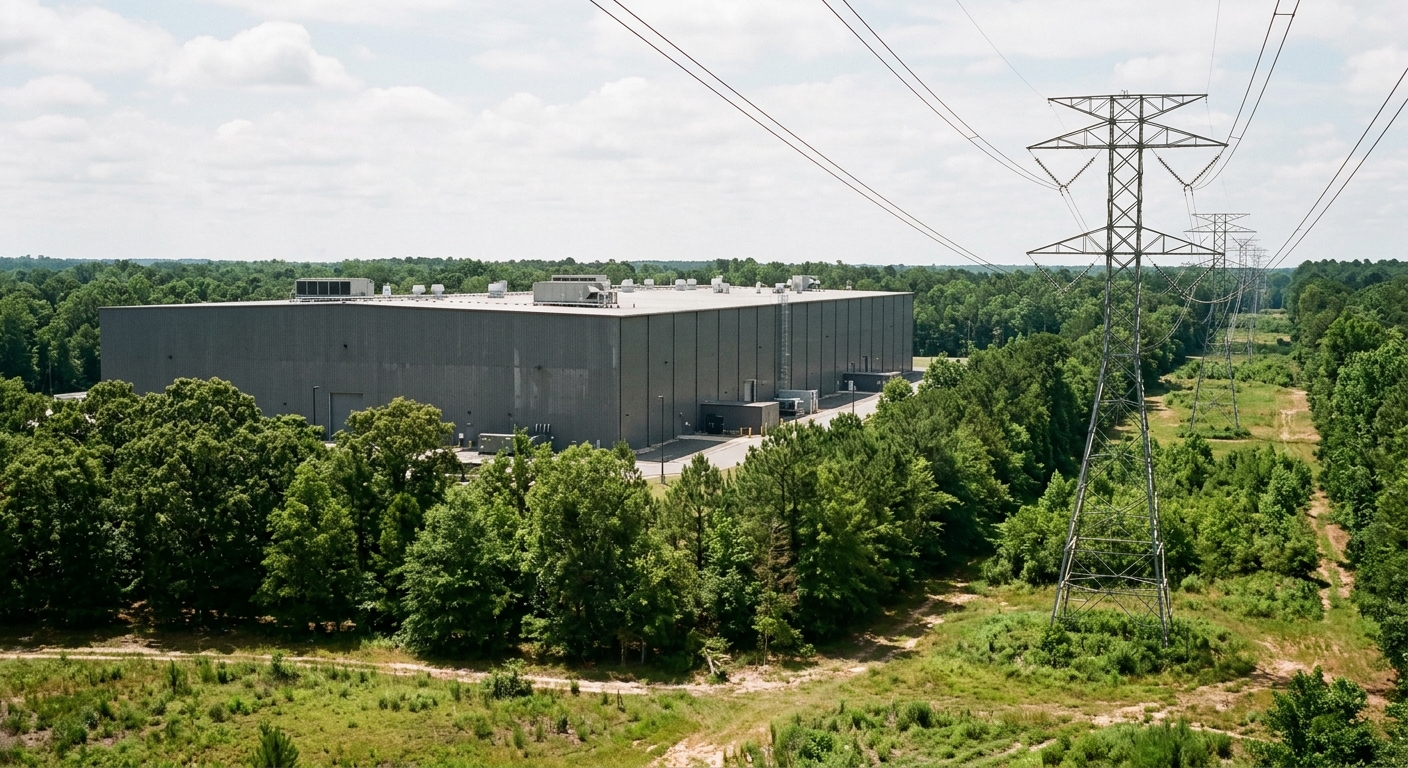
AI-generated illustration; not a photograph of the reported event.
- calendar_today June 3, 2026
Tennessee is experiencing a significant surge in electricity demand, as the rapid proliferation of data centers and associated technology infrastructure places unprecedented pressure on its energy systems. Local communities across the region are now reevaluating policies to keep pace with this evolving landscape.
Server Farms Transform Regional Energy Needs
The establishment of vast server farms has dramatically reshaped electricity consumption across Tennessee. With each new facility, the state’s electricity demand intensifies, prompting leaders to consider innovative approaches for balancing industrial development with community needs. Large-scale data centers, operating around the clock to process and store massive volumes of digital information, are at the heart of this transformation.
Power Hungry Facilities and Infrastructure Strain
These power hungry server farms often require as much energy as small towns, dramatically increasing overall energy consumption. The pressure to support such industrial growth has accelerated conversations about infrastructure upgrades, grid capacity, and the adoption of sustainable energy policies. Utilities and local government officials are now working closely with experts to ensure that Tennessee can accommodate both the current and projected power requirements of these technology-driven operations.
Tennessee Communities Shape Flexible Energy Policy
In response to this rising electricity demand, tennessee communities are evaluating and adopting energy policies that support technological progress without compromising sustainability goals. Collaborative efforts among municipal leaders, regulators, and local watchdogs have produced initiatives focused on efficient resource management and investment in renewable power sources. These policy shifts are crucial to sustaining continued industrial development while safeguarding residents’ interests and environmental commitments.
Balancing Industrial Development and Resource Management
The influx of data centers has sparked broader discussions about industrial development throughout Tennessee. The need for robust and resilient energy infrastructure has never been greater, as local communities seek to attract high-tech employers without overwhelming the grid. To address these challenges, stakeholders are implementing stricter guidelines on energy consumption, supporting upgrades to transmission systems, and exploring alternative sources such as solar and wind.
Technology Infrastructure at the Forefront
The rapidly expanding network of server farms and data centers is shaping the state’s economic future and technological identity. The intricate relationship between technology infrastructure and sustainable resource management is under careful scrutiny by stakeholders ranging from utility companies to environmental advocacy groups. By leveraging lessons learned from neighboring regions and ongoing industry developments, Tennessee is working to establish itself as a leader in responsible technology growth.
Local News Coverage Highlights Community Perspectives
Local news outlets—most notably Nashville Public Radio—continue to highlight these dynamic shifts in energy policy and infrastructure. The recent NashVillager Podcast episode, “Power to the people (and the data centers),” produced by Nashville Public Radio and hosted by Nina Cardona, delves into the community-level impacts of electricity demand and technology expansion. With insights from editorial experts like LaTonya Turner, the program offers residents actionable context about current challenges and opportunities related to server farms and data center growth.
Looking Ahead: Managing Tennessee’s Energy Future
As data centers become more integral to Tennessee’s economic landscape, the intersection of technology, policy, and community interests will remain at the forefront of public dialogue. Ongoing efforts to modernize energy infrastructure, develop forward-thinking energy policy, and promote sustainable industrial growth offer cautious optimism. The region’s approach could serve as a model for balancing industrial development and environmental health in similar communities nationwide.