- calendar_today July 26, 2026
Data centers have become critical infrastructure across Tennessee, powering digital services such as online banking, streaming, and artificial intelligence. As their presence expands, these facilities—often called "the cloud"—are increasingly intertwined with regional economic development and the lives of local communities. The growing footprint of data centers brings both significant opportunities and a complex series of challenges for Tennessee residents and policymakers.
Economic Contributions and Local Benefits
In Tennessee, data centers generate substantial public benefits, including job creation and augmented local tax bases. They also support technological advancement, drive business investments, and often contribute to funding essential infrastructure projects. Regional economic development agencies note that the increased business brought by data centers can strengthen broader economic prospects. Local schools and services often benefit from these facilities’ tax contributions and community initiatives—helping to reinforce ties between operators and residents.
Community Concerns: Noise, Pollution, and Property Values
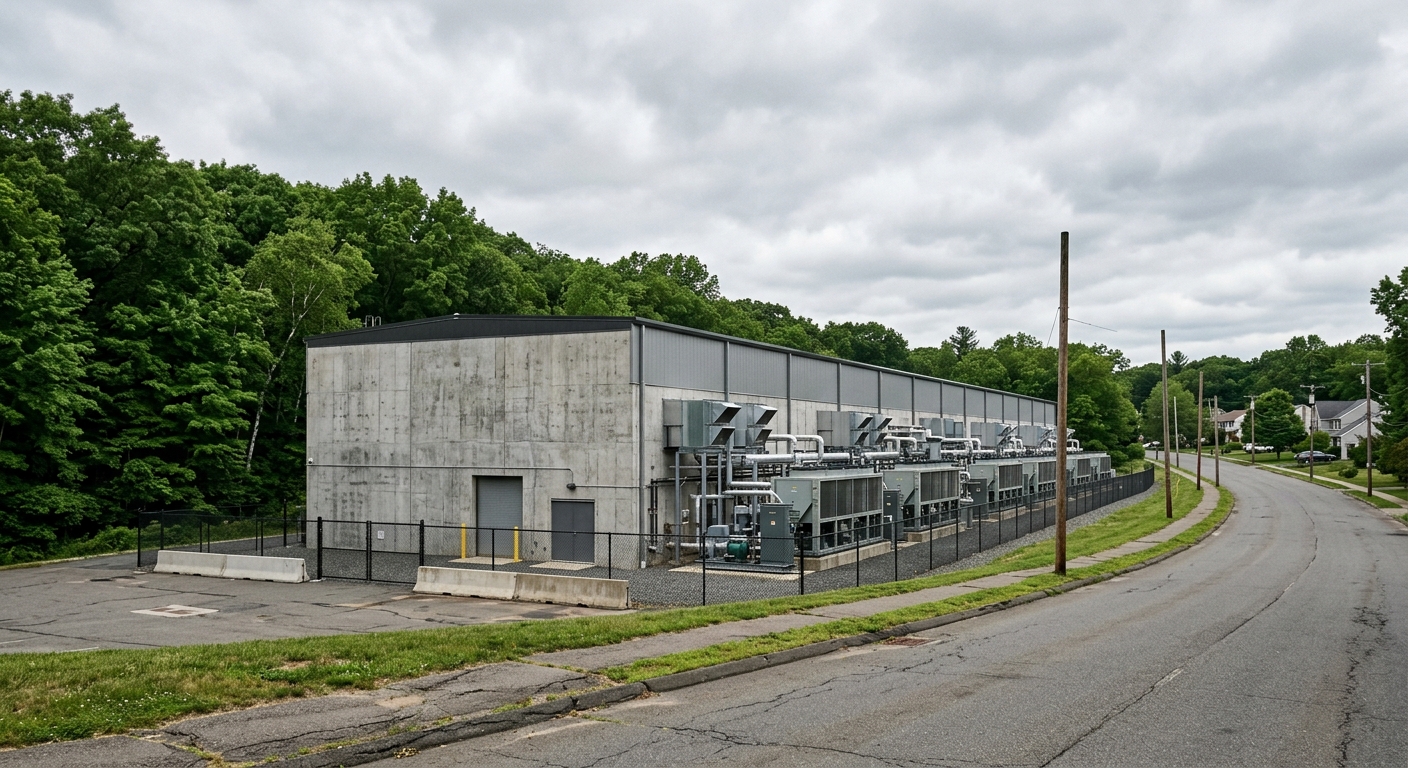
Despite their economic advantages, concerns about data center impact on neighborhoods have become more vocal. Residents have filed data center complaints about persistent noise pollution, particularly from large cooling systems. Elevated data center noise has prompted requests for detailed monitoring, especially in more residentially dense areas of Tennessee. Additionally, some communities have raised alarms regarding data center pollution and the potential decline in property values tied to proximity to these facilities.
Environmental Impact and Sustainability Efforts
Environmental factors are at the forefront of the current debate. Tennessee’s natural resources are impacted by the high data center electricity demand and data center water use necessary to maintain optimal operating conditions. Modern data centers have introduced advanced cooling systems and renewable energy sources to address these challenges and reduce emissions from diesel generators—a common source of data center pollution.
Local environmental groups and residents are advocating for stricter data center environmental regulations to safeguard air quality and protect green spaces. Many call for independent environmental assessments and ongoing monitoring programs to ensure that growth does not come at the expense of environmental health.
Transparency and Regulatory Response
The demand for greater data center transparency is increasing across Tennessee. Some residents express frustration over insufficient information about new data center developments and their long-term effects on communities. In response, local governments are implementing policies that require clear communication from developers and public engagement throughout the planning process.
Regulatory bodies are also evaluating stricter guidelines to oversee site selection, construction, and operation, aiming to ensure the well-being of the data center community. Public hearings and collaborative decision-making forums are becoming more common as agencies seek input from those most affected.
Industry Innovations and Commitment to Sustainability
Data center developers operating in Tennessee are adapting to feedback by investing in quieter technology and making commitments to renewable energy. In many projects, noise-mitigation strategies are standard, and new facility designs prioritize minimal disruption to nearby homes. The industry acknowledges that maintaining data center health—both environmental and social—is essential for earning community trust and sustaining growth.
Efforts to reduce emissions, support biodiversity, and promote energy efficiency are now part of broader sustainability initiatives implemented by major operators in the region. By incorporating these measures, companies hope to address both regulatory requirements and public expectations.
Looking Ahead: Striking a Balance
The discussion about data centers in Tennessee is rapidly evolving. What began as questions about their necessity has transitioned into a focus on determining appropriate locations, operational standards, and long-term effects on communities. As technology advances and the demand for digital infrastructure expands, the challenge remains: how to balance the benefits of economic development with the protection of neighborhood quality of life, environmental stewardship, and transparent community engagement. The future of the Tennessee digital landscape depends on striking this delicate balance.