- calendar_today June 9, 2026
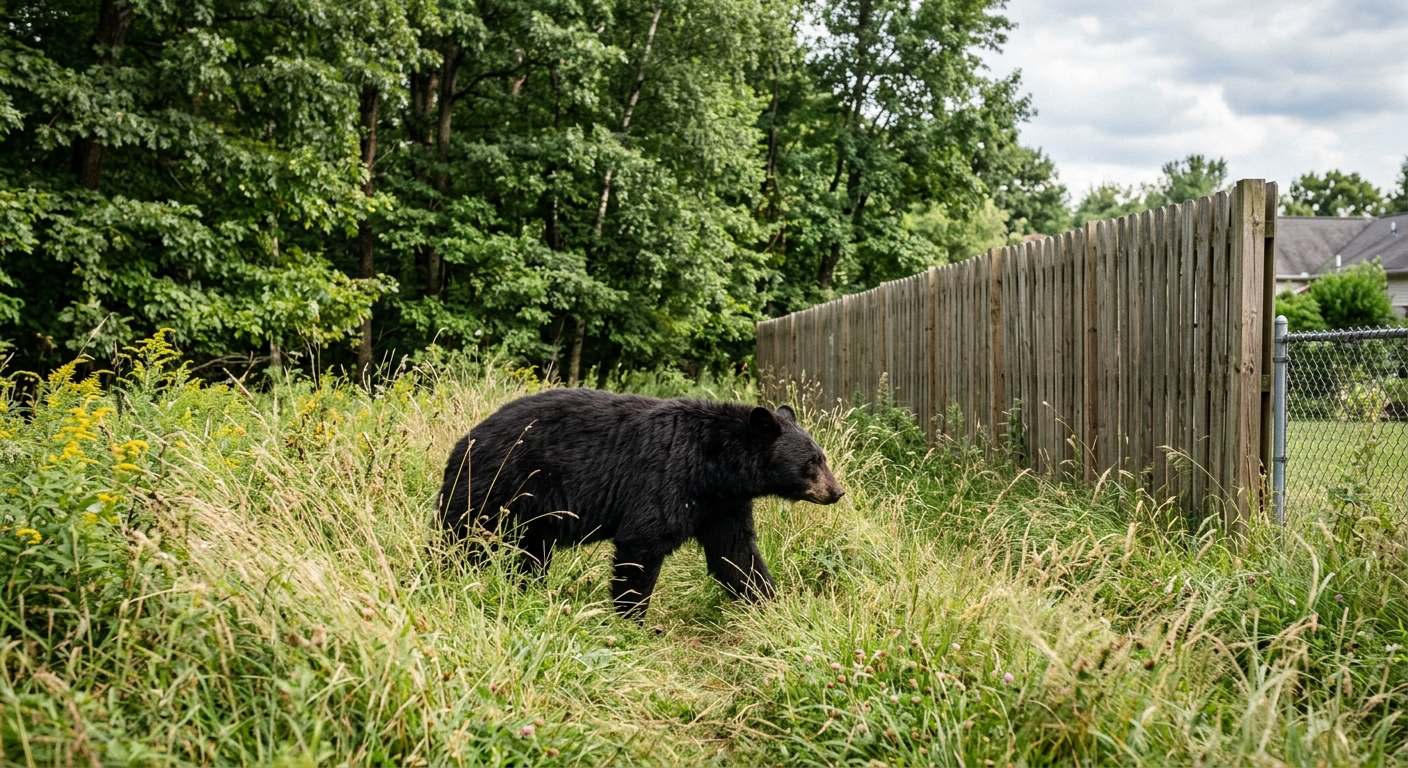
TENNESSEE — Increased black bear sightings are drawing attention across Middle Tennessee, sparking discussion about wildlife movement, habitat conservation, and public safety. Traditionally limited to the Cumberland Plateau and East Tennessee regions, black bears are now appearing in counties not typically associated with their presence, including Hickman, Dickson, Wilson, Sumner, and even urbanized areas like Nashville.
Recent Bear Sightings Prompt Public Awareness
Local communities have noted a rise in bear sightings this summer, with the Tennessee Wildlife Resources Agency (TWRA) receiving multiple reports from residents. While black bears are emblematic of the state’s wild spaces, their increasing visibility in Middle Tennessee underscores evolving patterns in bear dispersal and habitat use.
Understanding Bear Movement and Dispersal
Bears, particularly yearling males, often disperse from their mothers in late spring and early summer, seeking new territories. During this delicate period of bear movement, individuals may travel up to 40 miles in a single day. Some male black bears are known to have home ranges spanning as much as 300 square miles, accounting for their occasional presence in unexpected areas.
Historic and Current Bear Habitats
Black bears were once found statewide, but extensive logging, mining, hunting, and development gradually reduced their population and pushed them towards Tennessee’s mountainous regions, such as the Cumberland Plateau and the Great Smoky Mountains. Despite these historic changes, recent bear dispersal events highlight their natural drive to roam and adapt to varied environments.
The Role of Tennessee Wildlife and Safety Guidance
The TWRA is urging the public to practice bear safety, especially in regions now experiencing increased bear activity. Recommendations include securing garbage, storing pet food indoors, and reporting all bear sightings. These measures aim to reduce negative human-bear interactions, ensuring both community safety and bear welfare. The agency also reminds residents that cooperation is necessary for effective wildlife conservation and the long-term protection of bear habitat.
Climate Change and Ongoing Conservation Challenges
Experts point to climate change and continuous habitat development as growing challenges impacting black bear survival in Tennessee. As weather patterns shift and human infrastructure expands, bears may be compelled to seek new habitats, increasing the frequency of encounters with people. Conservationists emphasize that protecting existing bear habitats and fostering public awareness are crucial elements to minimize conflict and support a healthy bear population.
Community Engagement in Wildlife Conservation
Wildlife monitoring efforts and growing community engagement in Middle Tennessee play a pivotal role in safeguarding the region’s black bears. Conservation organizations and state institutions are collaborating to educate citizens and maintain natural corridors critical for bear movement. Enhanced awareness about bear habitat and human-bear coexistence is vital for adapting to environmental changes brought on by development and climate change.
Looking to the Future
As bear sightings become more common across Middle Tennessee, regional leaders, wildlife experts, and residents are encouraged to work together to support responsible stewardship of Tennessee’s natural resources. The state’s evolving wildlife patterns serve as a reminder of the interconnectedness of all communities and the ongoing importance of proactive wildlife conservation.