- calendar_today August 14, 2025
Tennessee’s real estate market in 2025 is navigating a mix of opportunity and caution. As interest rates stabilize but remain elevated, developers and investors across the state—from Nashville to Chattanooga—are rethinking strategies. The focus has shifted from quick profits to long-term stability, smart location choices, and investments that align with Tennessee’s growing and shifting population.
Seven property types are drawing the most attention this year. These asset classes are not only holding strong across the Volunteer State—they’re adapting to local economic forces like job growth, migration, and lifestyle shifts.
Multifamily Housing: The Reliable Performer
Multifamily properties are staying strong across Tennessee, especially in fast-growing cities like Nashville, Murfreesboro, and Knoxville. With mortgage rates keeping many families in the rental pool longer, demand for well-located Class B and C apartments continues to grow. According to local real estate data, vacancy rates in many Tennessee metros remain below 5%.
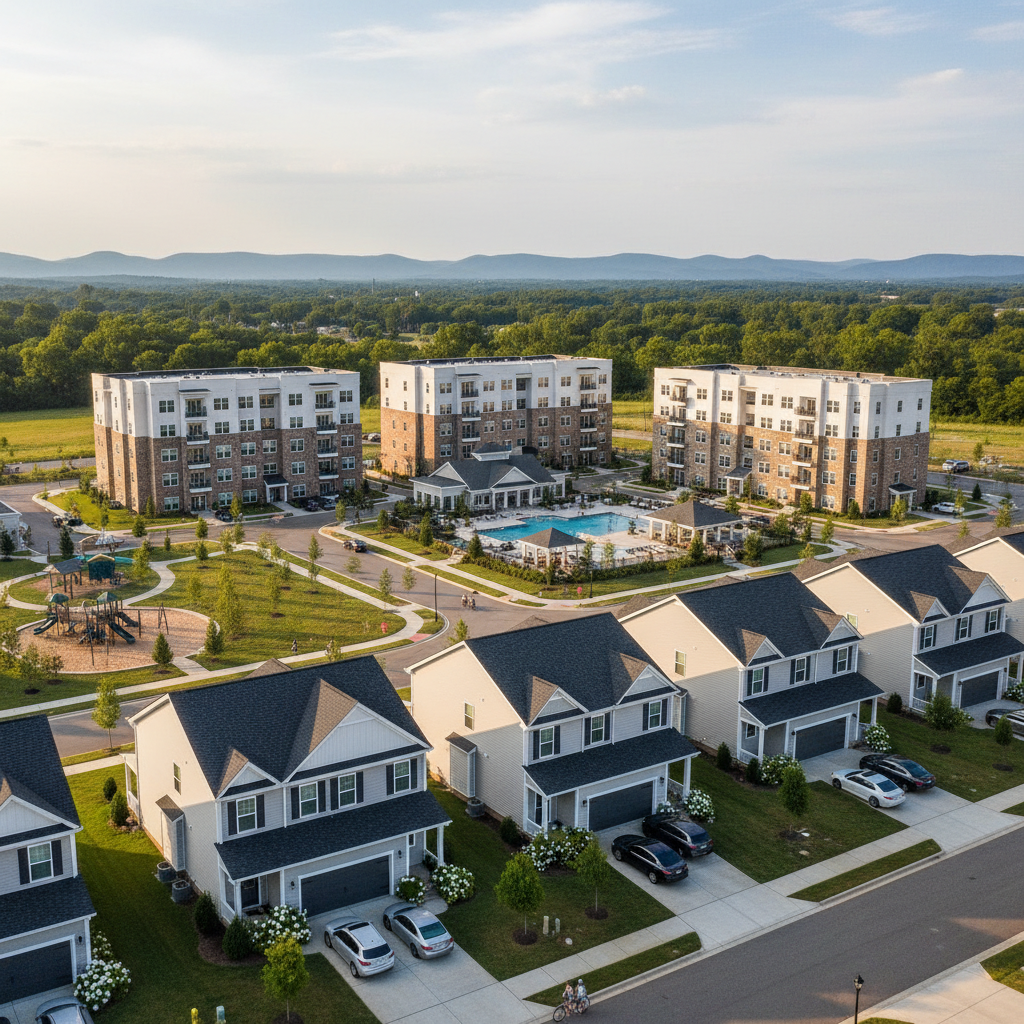
Mid-rise apartments and build-to-rent townhome developments are gaining traction in suburban corridors like Mount Juliet, Franklin, and Germantown. These properties attract long-term renters looking for affordability, access to job markets, and upgraded amenities—while still allowing developers to maintain rent growth near 3% annually.
Industrial Properties: Still a Growth Engine
Tennessee’s central location and infrastructure make it a top-tier state for industrial investment. The I-40 and I-24 corridors, along with Memphis’s role as a logistics hub, have kept industrial demand high. Amazon, FedEx, and other large players are continuing to expand their footprint across the state.
According to JLL’s 2025 report, vacancy rates for Tennessee industrial properties sit under 4%, and rents have grown by roughly 6.8% year-over-year. Cold storage, warehousing, and light manufacturing are driving interest in areas like Clarksville, Jackson, and the outskirts of Chattanooga. The ongoing growth of e-commerce, paired with automation in logistics, keeps this sector highly attractive to institutional investors.
Single-Family Rentals in Suburban Markets
Tennessee’s suburban rental market is booming. Single-family rentals (SFRs) are in high demand in areas like Hendersonville, Spring Hill, and Farragut, where working families are seeking more space without the financial burden of a home purchase.
Roofstock’s 2025 Investor Sentiment Index reports that investor interest in Tennessee’s SFR market is one of the strongest nationwide. Families are drawn to top-rated school districts, new infrastructure, and suburban quality of life. For investors, these properties offer lower turnover and minimal upkeep per unit compared to traditional multifamily assets—while still commanding rising rents.
Urban Migration Shifts: Middle Tennessee Leads
Tennessee continues to attract inbound migration, particularly to Middle Tennessee. Nashville’s cultural economy, job creation, and growing tech and healthcare sectors make it a magnet for talent and capital. Surrounding counties like Rutherford, Williamson, and Wilson are seeing rapid residential expansion.
While Memphis and Chattanooga remain solid secondary markets, the real growth is happening in suburban and exurban rings. Investors are following new infrastructure projects and economic development initiatives—such as EV manufacturing in Spring Hill—to identify high-growth corridors.
Mixed-Use Developments & Downtown Revival
Tennessee cities are experiencing a downtown renaissance, with mixed-use developments at the heart of the revival. In downtown Knoxville, Chattanooga’s Southside, and Nashville’s Gulch and Wedgewood-Houston neighborhoods, new projects are combining housing, coworking, retail, and entertainment.
These walkable, amenity-rich developments appeal especially to young professionals and empty nesters. Despite zoning and permitting challenges, developers who invest early in revitalizing areas are finding strong long-term value. The mix of historic charm and modern convenience is a major draw in Tennessee’s urban cores.
Niche Assets on the Rise: Senior & Student Housing
Tennessee’s senior housing market is heating up, especially in areas like Murfreesboro, Kingsport, and the Smoky Mountain region. With the state’s aging population and low cost of living, demand for assisted and independent living communities is increasing. NIC MAP Vision reports that Tennessee’s senior housing occupancy reached 85% in early 2025.
Student housing is also showing resilience near major universities like the University of Tennessee (Knoxville), Vanderbilt, and Middle Tennessee State. In cities like Johnson City and Cookeville, student apartment complexes are seeing pre-leases near 90%. Today’s students expect Wi-Fi, furnished units, and social amenities—features that top operators are now standardizing.
Risk Factors and Investment Cautions
Despite the positive momentum, Tennessee real estate investors must weigh several risks. Parts of the state—particularly in Memphis and along floodplains—face rising insurance premiums due to weather-related risks. In fast-growing suburbs, competition and overbuilding could begin to pressure margins.
Zoning and permitting can vary widely by county and municipality, requiring close coordination with local officials. While Tennessee generally has a business-friendly climate, proposed changes to property tax structures and rental regulations in metro areas could impact investor strategies.
Financing remains a hurdle for some projects, with interest rates still elevated compared to pre-2022 levels. Underwriting must remain conservative, especially for large-scale developments or repositioning efforts.
Expert Insight: What the Analysts Say
“Tennessee remains a top target for capital deployment, especially in logistics, suburban rentals, and workforce housing,” says Lauren Bellingham, senior economist at CBRE. “But success hinges on knowing the micro-trends—what works in Williamson County might not in Shelby County.”
Redfin’s 2025 Housing Trends report also emphasizes job growth, affordability, and local migration patterns as key drivers in Tennessee. The data suggests that even smaller towns are beginning to outperform urban cores in rental and appreciation metrics.
Strategic Diversification is Key in 2025
Tennessee’s strongest real estate investors in 2025 are betting on a mix of asset classes and locations. From suburban single-family rentals to downtown mixed-use developments, opportunity lies in aligning with demographic and economic shifts.
Multifamily properties continue to deliver reliable returns, particularly outside of major urban centers. Industrial assets are thriving in logistics corridors. SFRs are well-positioned to benefit from population growth and affordability. And niche sectors like student and senior housing are supported by clear demand trends.
As Tennessee’s economy diversifies, so too must investor portfolios. Those who study the data, understand local nuances, and act with flexibility will be best positioned to succeed in a market that rewards precision and regional savvy.