- calendar_today August 7, 2025
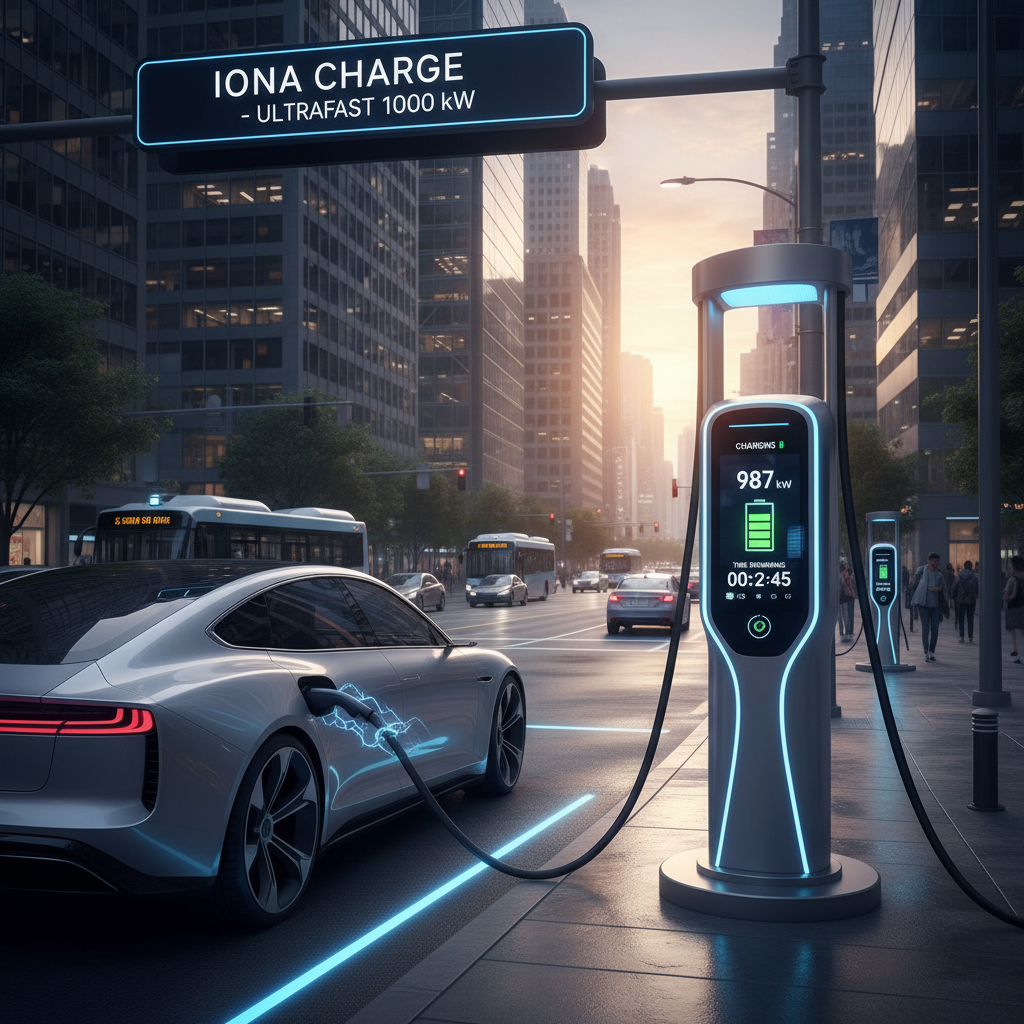
The electric vehicle market faces major changes because BYD from China introduced revolutionary charging technology that aims to significantly shorten refueling times. The company’s novel “super e-platform,” which includes 10C charging capabilities together with 1,000 kW DC chargers, targets the elimination of extended charging periods which remain a key obstacle to widespread EV adoption.
BYD’s new technology enables drivers to gain 249 miles (400 km) of driving range in only five minutes which far surpasses existing industry benchmarks. Tesla Superchargers which lead the industry only reach 250 kW compared to Electrify America’s chargers which operate at 350 kW. The top chargers used in Formula E competitions provide only 600 kW of power.
BYD chairperson Wang Chuanfu announced the company’s mission to achieve EV charging speeds comparable to gasoline car refueling moments.
Technological Breakthrough: 10C Charging and Megawatt Power
BYD has achieved an innovation milestone by enabling 10C charging speeds with 1,000 kW power delivery. The new energy transfer technology establishes an entirely new phase in charging electric vehicles by reducing charging time to a minimum. This development marks a major step forward in EV infrastructure and could speed up the worldwide move to electric transportation by solving the longstanding problem of charging speed which has limited widespread EV adoption.
BYD intends to establish over 4,000 megawatt chargers throughout China to develop a strong network optimized for their new models Han L sedan and Tang L SUV. Manufacturers precisely engineered these vehicles to maximize the advantages of rapid charging technology which delivers peak performance and driver convenience.
BYD’s infrastructure expansion project has dual goals of improving charging efficiency while simultaneously increasing accessibility for users. The planned expansion of this high-powered charging network should alleviate range anxiety while establishing long-distance EV travel as both practical and dependable. Through its advancements in faster and more convenient charging solutions BYD strengthens its leadership role in the sustainable mobility sector.
Global Implications and US Market Barriers
BYD continues to expand its global reach with notable success in Europe, yet it encounters significant political roadblocks when entering the US automotive market. Members of Congress from both political parties have consistently pushed to block Chinese EV companies from accessing the US market.
The 249-mile range reported by BYD is derived from China Light-Duty Vehicle Test Cycle measurements which are more lenient than the Environmental Protection Agency standards used in the US. The range achievable during EPA testing would probably produce lower results.
Other automakers with substantial US operations may still consider licensing BYD’s technology because this opportunity remains feasible despite current challenges. By licensing faster charging standards in the US automakers could speed up adoption rates while overcoming political obstacles and expanding rapid charging access to more users.
The Future of EV Charging
The introduction of BYD’s 1,000 kW charging technology marks a major development in the efficiency of electric vehicle charging systems. Reducing charging times dramatically will boost electric vehicle adoption because these vehicles will become more practical and attractive to buyers around the world. Through its dedication to establishing an extensive charging network in China, the company strengthens its role as a top player in the worldwide electric vehicle market.