- calendar_today August 10, 2025
OpenAI introduced the “Images in ChatGPT” feature, which represents a major enhancement that integrates image generation tools into the ChatGPT interface. The new GPT-4o model powers this feature, which enables users to generate images during their conversations with ChatGPT, and represents a substantial progression in AI-powered content creation.
All ChatGPT subscription levels, including Plus, Pro, Team, and the free version, now have access to this new functionality. The wide-reaching availability of this service intends to open up advanced image generation tools to all users. Free tier users must follow usage limits comparable to DALL-E 3, with a maximum of three images per day, but OpenAI spokesperson Taya Christianson said these limits might change according to demand. Users who want a dedicated DALL-E experience can continue accessing it through a custom GPT.
The research lead at OpenAI, Gabriel Goh, introduced GPT-4o as an “omnimodal” system which can process multiple data forms, including text and multimedia content such as images, audio, and video. The model now performs better at maintaining “binding” connections between elements. The model resolves a widespread problem in AI image generation where earlier models failed to maintain precise connections between objects and their attributes. GPT-4o now demonstrates a significant improvement by reliably managing 15 to 20 objects without confusing their colors and shapes.
The system now achieves outstanding text rendering, which stands out as a major advancement. AI-generated images have customarily displayed text that appears scrambled and meaningless. The development process required multiple months of iterative work before reaching the correct outcome. The team has created consistent text rendering techniques that make image text usable despite the ongoing challenge of perfecting small text rendering.
The system uses an autoregressive architecture, which sets it apart from traditional diffusion models found in image generators. The autoregressive method that produces images by sequentially processing left to right and top to bottom, similar to text generation, is thought to enhance its text rendering and binding abilities.
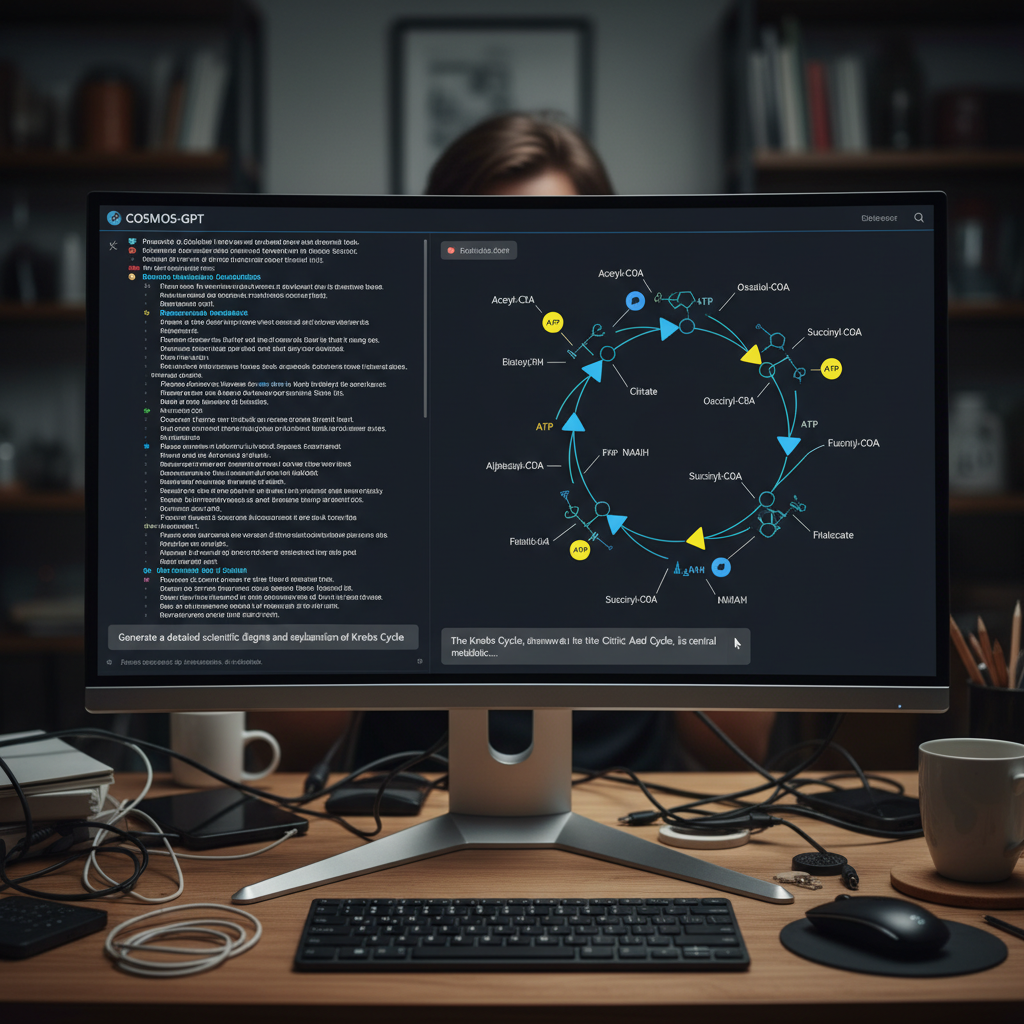
OpenAI presented multiple uses of their system at a briefing by showing its capabilities in producing scientific diagrams with precise labels, such as Newton’s prism experiment, and illustrating multi-panel comics with coherent characters and dialogue, as well as informational posters with accurate text. The presentation included practical applications demonstrating how the system can create transparent background images for use in stickers, restaurant menus, and logos.
The multimodal product lead of ChatGPT, Jackie Shannon, stressed how the system utilizes world knowledge to its advantage. According to her explanation, when she starts drawing an image, she operates within her personal skill constraints while utilizing her accumulated world knowledge. The model incorporates world knowledge into its process, which allows it to generate an image of Newton’s prism experiment without needing an explanation of the concept from the user.
OpenAI maintains that users should accept longer image generation times because enhanced quality and capabilities provide sufficient compensation for the wait. According to Shannon, the system has latency improvement potential, yet superior image quality, together with enhanced capability and world knowledge, outweighs the extra waiting seconds.
OpenAI addressed potential misuse concerns by emphasizing its robust safeguard implementations. The system prevents watermark removal while blocking sexual deepfakes generation and rejecting CSAM requests. Generated images will contain standard C2PA metadata to identify them as OpenAI creations instead of visual watermarks. The company operates internal systems to verify images.
Shannon explained that while no system achieves perfection for these purposes, their safeguards are under constant enhancement, and this represents an initial effort. Users who generate images through ChatGPT gain full ownership rights and may use these images according to our set usage policies at their discretion.
The integration of “Images in ChatGPT” allows OpenAI to extend its flagship product’s capabilities to deliver innovative AI-powered visual creation options that enable users to visualize their ideas through the conversational platform. The launch represents an important development in AI technology as it combines conversational artificial intelligence capabilities with cutting-edge image creation.