- calendar_today August 13, 2025
Tennessee’s commercial real estate (CRE) market in 2025 is undergoing a transformation fueled by logistics expansion, major manufacturing investments, and one of the strongest housing demands in the South. As the Volunteer State positions itself as a magnet for both industrial users and new residents, real estate developers and investors are seizing opportunities in both core cities and emerging secondary markets.
With a favorable tax climate, a central geographic location, and billions pouring into infrastructure and clean energy projects, Tennessee is outperforming national CRE averages across multiple sectors. From Memphis to Chattanooga and from the Nashville metro to rural industrial corridors, Tennessee is proving to be one of the most dynamic CRE markets in the Southern U.S.
1. Industrial Real Estate Surges in Key Corridors
Tennessee’s strategic location as a logistics crossroads has long supported its industrial strength—but 2025 is amplifying that trend. Interstate corridors like I-40, I-65, and I-75 connect Tennessee to major population centers and ports in every direction, making the state an ideal location for regional distribution hubs.
Memphis, home to FedEx’s global headquarters, remains a top-tier logistics city. In 2025, industrial vacancy rates remain below 5% as demand for distribution centers, cold storage, and last-mile facilities continues. Developers are expanding speculative warehouses in suburbs like Olive Branch and Southaven to keep pace.
In Middle Tennessee, the I-840 loop south of Nashville has become a magnet for industrial expansion. The region saw over 8 million square feet of industrial space delivered in the past year, much of it leased before completion. Supply chain reshoring and e-commerce fulfillment needs are driving interest from both national and international tenants.
2. EV and Advanced Manufacturing Projects Transform Rural Markets
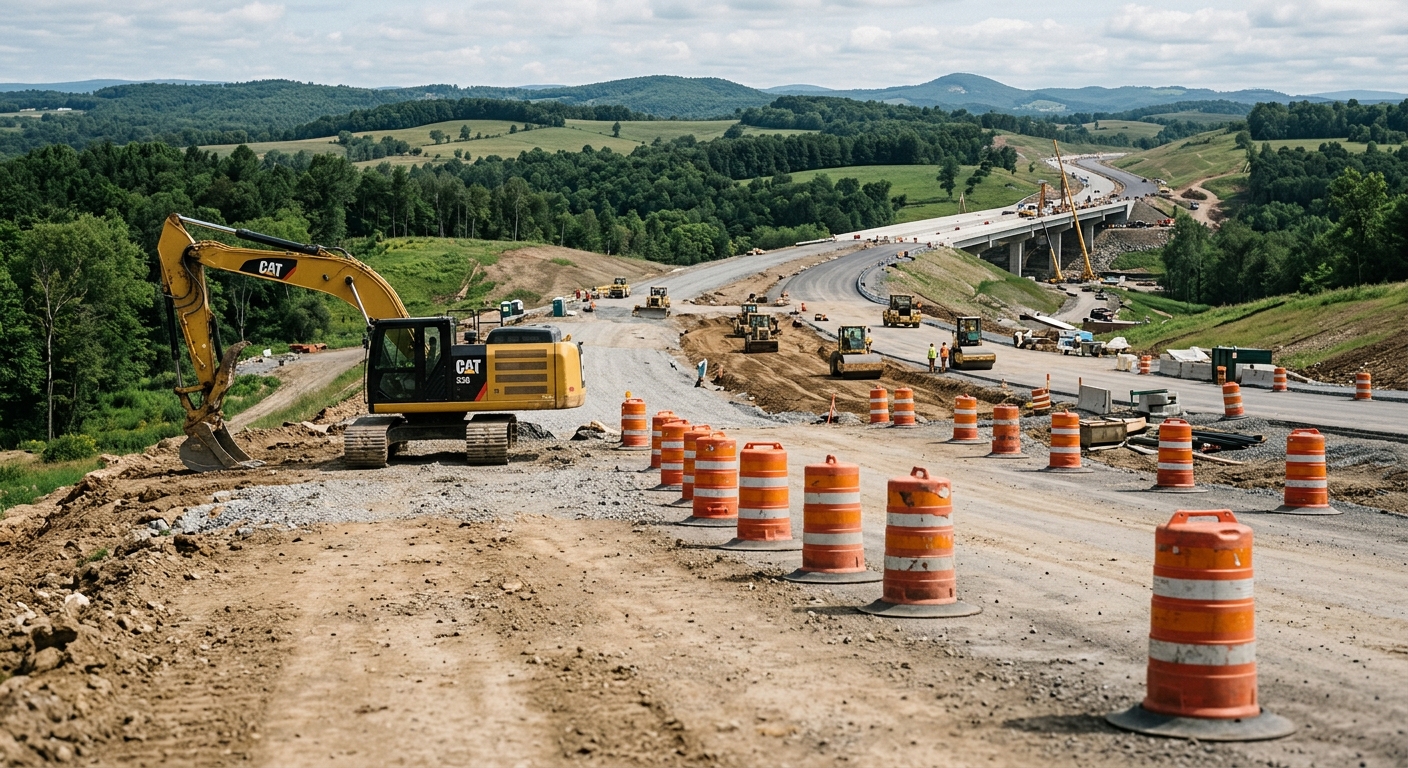
Tennessee is at the heart of the U.S. electric vehicle (EV) and battery manufacturing boom. The state’s business-friendly regulatory environment and robust power infrastructure have attracted some of the country’s largest industrial megaprojects.
In Stanton, Tennessee, Ford’s BlueOval City is reshaping the regional economy. This $5.6 billion EV and battery production campus—spanning nearly six square miles—is one of the most ambitious manufacturing projects in North American history. With thousands of new jobs expected by 2026, the project is driving demand for industrial parks, workforce housing, hotels, retail, and supporting infrastructure in surrounding communities.
Volkswagen’s continued EV investment in Chattanooga and new battery partnerships across East Tennessee are also spurring real estate activity in smaller markets. Secondary cities like Jackson, Clarksville, and Tullahoma are seeing land prices rise and speculative development ramp up in response to supply chain demand.
3. Multifamily Development Booms in Nashville and Beyond
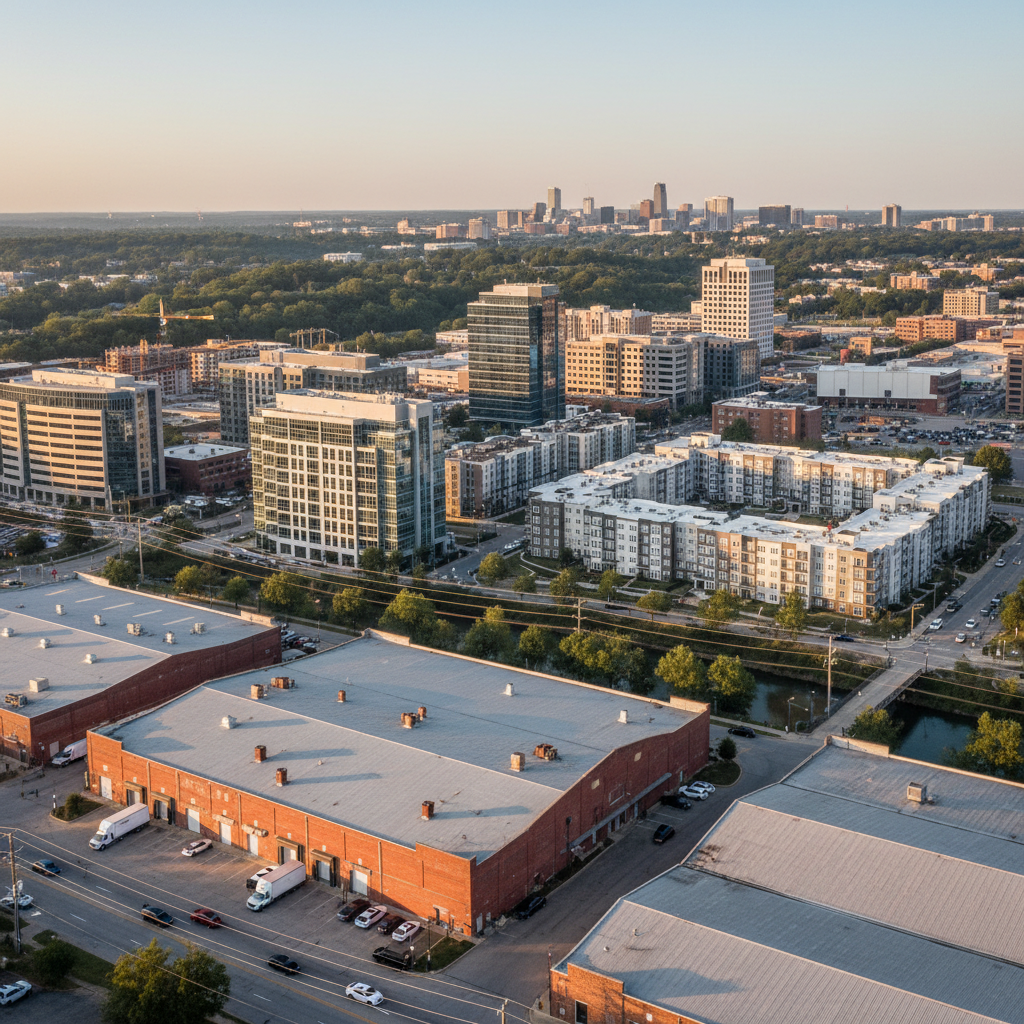
Tennessee’s population growth—especially from inbound migration from high-cost states like California and Illinois—is fueling strong demand for multifamily housing. In 2025, Nashville remains one of the country’s hottest apartment markets, with nearly 12,000 new units in the pipeline.
Submarkets like Murfreesboro, Mt. Juliet, and Hendersonville are attracting build-to-rent (BTR) communities, garden-style apartments, and mixed-use projects tailored to remote workers and young families. According to CBRE, Nashville’s average effective rent rose 5.8% year-over-year in Q1 2025, despite a healthy supply of new inventory.
In Knoxville and Chattanooga, developers are responding to rising student and tech worker populations by focusing on infill apartments and adaptive reuse of older commercial buildings. Demand for Class B and workforce housing is especially strong in these metros, with vacancy rates under 4% in many submarkets.
4. Office Market Recalibrates with Hybrid Trends
Tennessee’s office market in 2025 reflects the hybrid work recalibration seen across the country—but with less volatility than larger urban centers. In Nashville, Class A suburban campuses in Brentwood and Cool Springs are performing better than traditional downtown high-rises, with net absorption returning to positive territory.
Across Tennessee, developers are embracing “flight to quality” by retrofitting older office spaces with amenities, flexible layouts, and green building certifications. While some Class B and C properties are being repositioned or sold at discounts, high-end space with parking and mixed-use walkability remains in demand.
Smaller metros like Knoxville and Chattanooga are seeing steady leasing activity from regional healthcare systems, tech startups, and professional service firms opting for suburban office parks and coworking hubs.
5. Retail is Reinventing in Mixed-Use and Medical Formats
Retail in Tennessee is adapting, not retreating. While traditional malls continue to face pressure, new development is focused on walkable, service-oriented, and mixed-use retail—often integrated with multifamily and office uses.
The Fifth + Broadway development in Nashville is a prime example of urban placemaking. Meanwhile, suburban retail centers in Murfreesboro, Franklin, and Johnson City are anchoring lifestyle communities with a blend of fitness, dining, healthcare, and convenience tenants.
Medical retail continues to expand across the state, particularly in aging populations. Urgent care centers, dental clinics, and outpatient facilities are leasing former bank branches and retail pads near major roadways and residential developments.
6. Hospitality Sees Strong Rebound in Key Destinations
Tennessee’s tourism sector bounced back faster than most, and in 2025, it’s booming. Nashville remains a top-five U.S. tourist destination, and hotel construction continues—especially near Broadway and Music Row.
Meanwhile, Gatlinburg and Pigeon Forge in East Tennessee are experiencing record-high occupancy rates and short-term rental demand. Boutique hotel developers are targeting leisure travelers and outdoor adventurers looking to stay near the Great Smoky Mountains National Park.
In Memphis and Chattanooga, convention business and riverfront redevelopment are contributing to a healthy hospitality recovery. Hotel conversions of older office buildings and historic structures are gaining traction.
7. Investment Capital Targets Growth and Stability
Institutional investors are increasingly bullish on Tennessee’s commercial real estate market. In 2025, the state’s strong job growth, affordable pricing, and development upside are drawing attention from REITs, private equity funds, and international capital.
Nashville remains a top destination for multifamily and industrial investment, but secondary cities like Clarksville, Cleveland, and Kingsport are also seeing capital inflows, particularly for land and value-add assets.
Tennessee’s lack of a state income tax, streamlined permitting, and pro-business legislation give it a competitive edge. Cap rates remain compressed in high-demand sectors (industrial and multifamily) but are showing flexibility in office and traditional retail, opening doors for opportunistic plays.
Tennessee CRE Outlook: A Balanced Growth Story
In 2025, Tennessee is not just riding a wave—it’s building a foundation. The state’s real estate markets benefit from an ideal mix of:
- Strategic logistics infrastructure
- Historic manufacturing investment
- Migration-driven housing demand
- Resilient suburban and regional economies
- Pro-development governance at the state and municipal level
From Music City to the Mississippi River, Tennessee offers investors and developers a rare combination of scale, stability, and upside. As national commercial real estate trends continue to rebalance, the Volunteer State is well-positioned to lead the Southern U.S. in CRE recovery and innovation.