- calendar_today August 11, 2025
In 2025, Tennessee stands at the forefront of America’s clean energy transformation. Historically known for its rich coal heritage, the state is now embracing a diversified energy portfolio, blending traditional sources with renewable innovations. This shift is not only reshaping Tennessee’s energy infrastructure but also positioning it as a pivotal player in the national clean energy narrative.
Major Investments Fueling the Transition
Tennessee’s clean energy sector has attracted substantial investments, signaling confidence in its renewable future. Notably, the BlueOval SK joint venture between Ford Motor and South Korean battery maker SK On secured a $9.63 billion loan from the U.S. Department of Energy. This funding supports the construction of three new battery manufacturing plants in Tennessee and Kentucky, marking a significant step in bolstering the state’s electric vehicle (EV) infrastructure.
Additionally, Silicon Ranch, a prominent solar developer, has expanded its footprint in Tennessee. With over 34 projects in West Tennessee alone, the company has invested approximately $830 million, generating 550+ MWac of solar capacity. These projects are expected to power around 62,000 homes annually and contribute $77 million in new tax revenues over 40 years.
Innovative Projects on Former Coal Sites
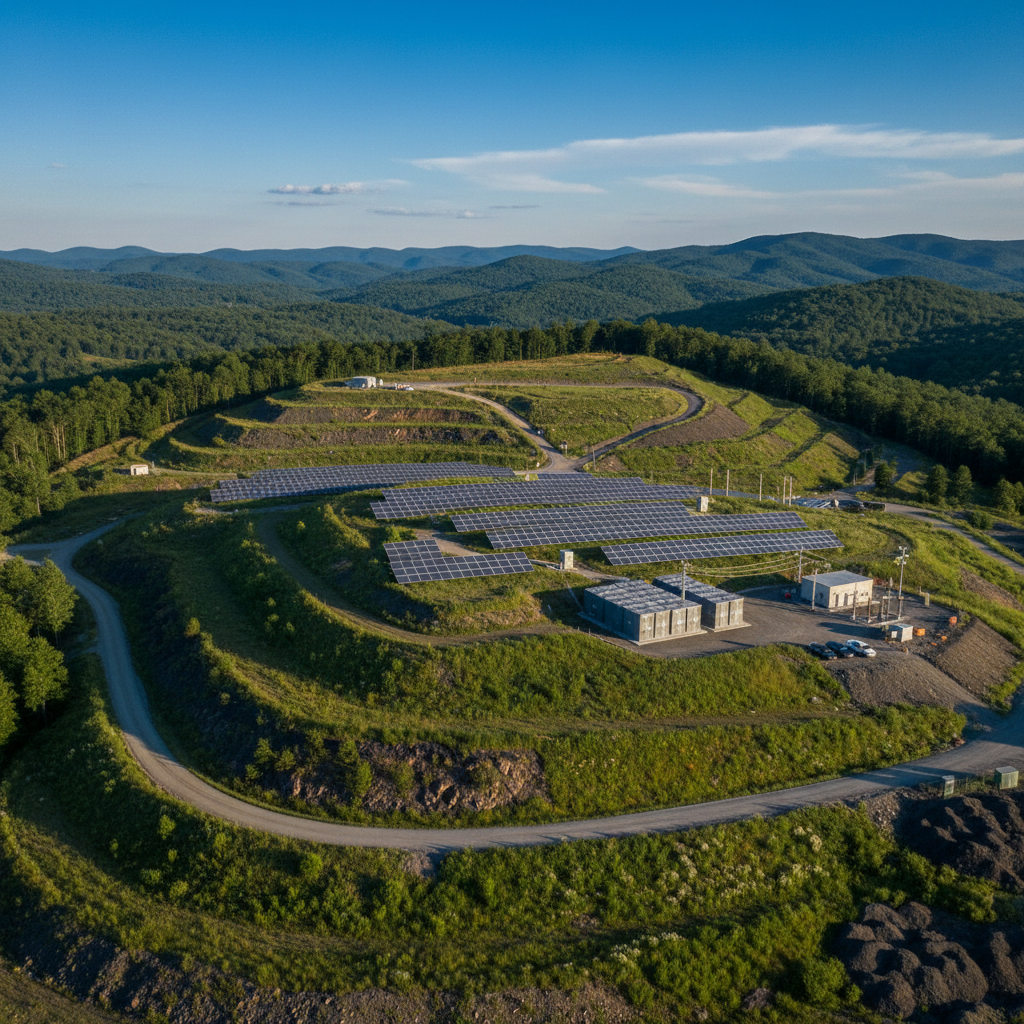
In a symbolic move towards sustainable energy, The Nature Conservancy, in collaboration with Sun Tribe Development and ENGIE, announced the development of 17 clean energy projects on former Appalachian coal mines. These initiatives, spanning 360 acres across Virginia, Tennessee, and Kentucky, include 14 solar farms and three battery storage systems. By repurposing former coal sites, Tennessee is not only advancing its clean energy goals but also revitalizing communities historically dependent on coal mining.
Policy Support and Legislative Actions
The state’s legislative framework is evolving to support this energy transition. In April 2025, Tennessee introduced Senate Bill 884, aiming to streamline clean energy initiatives by redefining energy project parameters. The bill provides a comprehensive framework for public utilities to adopt various energy technologies, including industrial byproducts, waste heat recovery, and biomass.
Moreover, Tennessee’s participation in the EPA’s Solar for All Competition underscores its commitment to expanding solar access. The state applied for the maximum eligible amount of $250 million to increase affordable, resilient, and clean solar energy for low-income households.
Challenges and Considerations
Despite these advancements, challenges persist. A federal freeze in early 2025 put a $156 million Tennessee program, intended to lower energy costs for low-income families through solar panel installation, on hold. This pause highlights the vulnerability of state initiatives to federal policy shifts.
Additionally, the proposed construction of the world’s largest supercomputer by Elon Musk’s xAI in Memphis has raised environmental concerns. The facility’s significant power requirements have sparked debates about the balance between technological advancement and environmental sustainability.