- calendar_today June 22, 2026
Tennessee is at the forefront of an urgent regional effort to restore freshwater mussels, as experts warn of a steep decline in mussel populations threatening water quality and ecosystem health.
The Critical Role of Freshwater Mussels in Tennessee Waterways
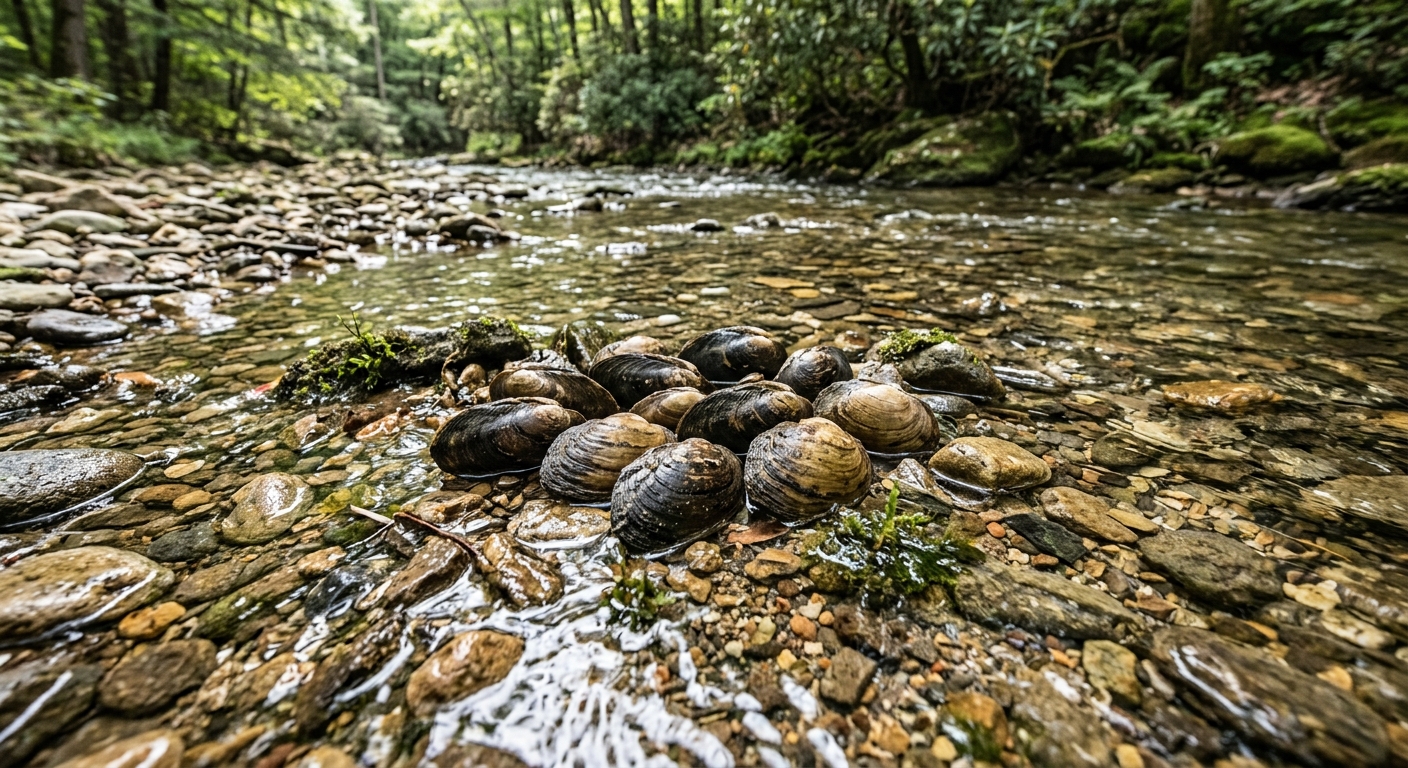
Freshwater mussels are essential for maintaining clean, functioning creeks and rivers in Tennessee and neighboring states. These bivalves filter pollutants from the water, a process known as mussel filtering, benefiting both people and wildlife by supporting healthy aquatic systems. The ecological services provided by native mussels are indispensable, yet their numbers have dropped dramatically across the Southeast.
Mussel Populations Facing Sharp Decline
Across Tennessee, Kentucky, and West Virginia, mussel decline has become a concern for scientists and conservationists alike. Over the past century, factors such as pollution, habitat alteration, and invasive species have led to significant reductions in native mussels. In Kentucky alone, more than 100 mussel species have been documented, but 36 are now considered rare or endangered mussels—and approximately 20 species are believed to have vanished entirely from regional waterways.
Challenges for Mussel Conservation and Recovery
Mussel conservation in Tennessee hinges on combating several obstacles: poor water quality, habitat fragmentation, and the construction of dams, which not only alter mussel habitat but also block the migration of fish species required for mussel reproduction. Critically endangered mussel species such as the ring pink and cat’s paw depend on specific fish hosts to reproduce, and barriers in the river disrupt these life cycles. Additionally, invasive species like Corbicula have complicated restoration efforts, adding new threats to an already precarious situation.
Conservationists Leading the Charge
Local scientists and conservationists, including experts such as Monte McGregor and Steven Price, are pioneering mussel restoration through breeding programs and reintroduction initiatives. These efforts aim to reestablish mussel populations by raising young mussels in controlled environments before releasing them into carefully selected river habitats. The restoration of endangered mussels remains a long-term project, requiring ongoing research, funding, and collaboration with government agencies, universities, and community organizations throughout Tennessee.
Mysteries of Unexplained Declines
Despite progress in mussel restoration, researchers have observed declines in seemingly pristine habitats. These unexplained losses prompt ongoing scientific investigation, as experts strive to understand complex ecological factors that may undermine mussel species survival. Such research underscores the need for continued support of conservation science, particularly in regions like Tennessee where mussel diversity is high and ecological stakes are significant.
Long-Term Commitment to Biodiversity
The preservation of freshwater mussels in Tennessee holds broad implications for biodiversity and the integrity of local water resources. Restoring mussel populations is not only about preventing extinctions but also safeguarding the natural processes that keep rivers and streams healthy for generations to come. As mussel conservation advances, Tennessee remains a key participant in ensuring the survival of these vital species and securing future opportunities to learn from their ecological role in waterways across the state and region.