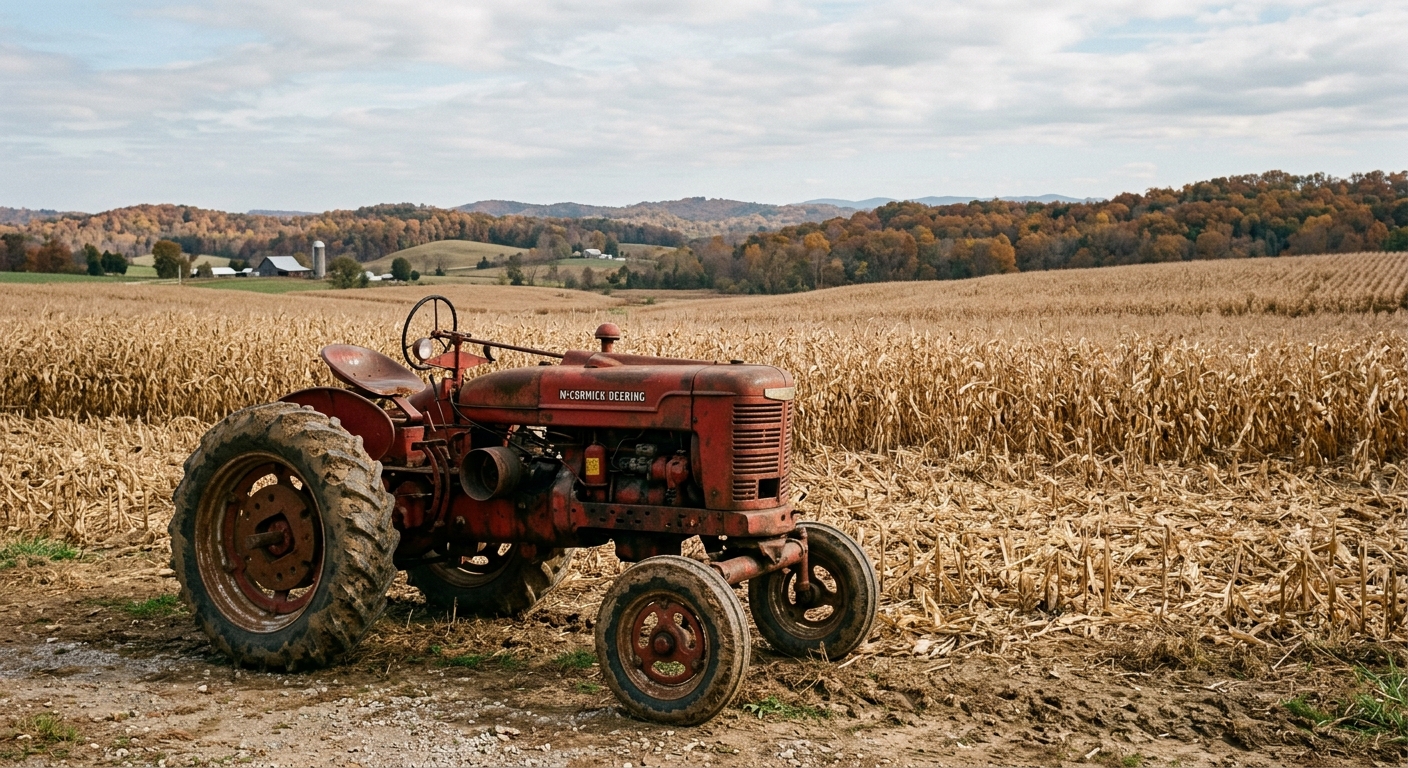
AI-generated illustration; not a photograph of the reported event.
- calendar_today October 9, 2026
USDA Payments Offer Relief Amid Farm Bill Uncertainty
The United States Department of Agriculture (USDA) recently announced nearly $14 billion in payments to farmers through the Agriculture Risk Coverage and Price Loss Coverage programs. These payments are designed to help farmers manage their finances when revenues are low or when crop prices fail to meet expectations. Despite this temporary support, Tennessee farmers say a new farm bill is urgently needed after years of waiting for legislative action.
Farmers Face Tight Margins and Rising Costs
John Litz, a fourth-generation farmer from Morristown and former director of the Farm Service Agency in Tennessee, highlighted the financial strain many farmers face. Litz recounted, "I was looking at the possibility of losing as much as $150 an acre on corn," and pointed out a $125 per acre loss on soybeans in the past season. While USDA payments help sustain farms like his, Litz emphasized the challenges of having to survive an entire year before receiving this support.
Land Development Pressures Mount for Tennessee Farmers
Litz described the growing pressure to sell farmland as surrounding development increases alongside the rising costs of fuel and fertilizer. "I consistently get people that want to buy property that I own, but to be able to feed America and to feed the world, we’ve got to have land to be able to produce it," he said. The loss of farmland due to overdevelopment threatens agricultural production and raises concerns about food security.
Tennessee Farm Bureau Federation Highlights Agricultural Importance
Lee Maddox, communications director for the Tennessee Farm Bureau Federation, stressed that "Agriculture is our most important industry here in Tennessee and across the nation, and food security is our national security." The organization is urging lawmakers to pass a new farm bill, stating it would provide much-needed tools for managing risk and surviving tough economic periods.
Challenges from Weather, Trade, and Fuel Policy
In recent years, Litz Farms has endured setbacks such as Hurricane Helene, which devastated crops still in the field, as well as a trade war that depressed crop prices. Rising fuel costs have also put pressure on farmers' finances. Although President Trump issued an executive order allowing the temporary use of dyed diesel on farm vehicles for road travel, Litz noted the exemption is a deferral, not a permanent solution: "And if you take $0.50 off, you’re still going to be $5.75. You’re still going to be $3 higher than what you were last year, over twice as much." Only Congressional legislation could make any change permanent.
Risks Associated with Temporary Diesel Exemption
Litz also expressed concerns about the long-term presence of red dye in fuel tanks, warning that farmers could face fines when using these vehicles on the road after the exemption is lifted. He remains cautious about utilizing dyed diesel in road vehicles due to these risks.
Farm Bill Needed for Conservation and Stability
The Tennessee Farm Bureau Federation, supported by agricultural experts like Aaron Smith, Professor at the UT Institute of Agriculture, is advocating for a farm bill that strengthens conservation measures and provides farmers with the resources to weather economic and environmental challenges. Maddox urged, "We need Congress to come together again, put politics aside, and get this job done for American farmers."
Future of Tennessee Farming at Stake
Without a new farm bill, Litz fears he may be forced to sell some of his farmland to developers, a decision dependent on future crop yields and debt obligations. He highlighted potential solutions, such as converting excess corn into ethanol and soybeans into biodiesel, to reduce dependence on foreign oil. However, without legislative support, the risk of land loss and overdevelopment remains a pressing concern for many in the Tennessee farming community.
Source: wkrn.com.