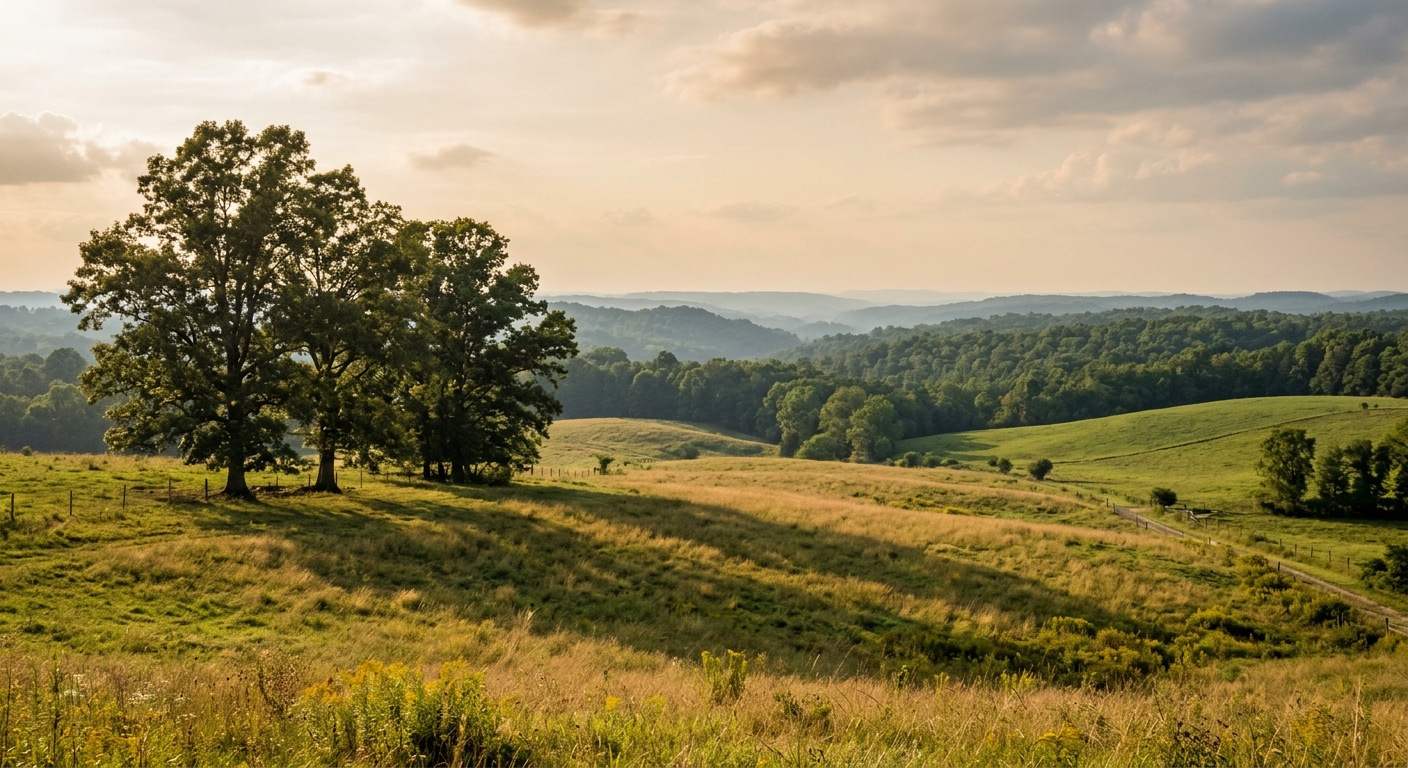
AI-generated illustration; not a photograph of the reported event.
- calendar_today August 8, 2026
Tennessee residents witness significant daylight loss during August and September, a period marked by swiftly shortening days despite lingering summer heat. This phenomenon shapes local outdoor routines, signaling seasonal change across communities in the state.
The Science Behind Tennessee’s Daylight Loss
Daylight change across the globe is a direct result of the Earth’s axial tilt. Known in meteorology as earth tilt, this gradual shift causes seasons and varying daylengths through the year. Daylength variation follows a predictable wave: minimal change occurs at the summer solstice and winter solstice, while the most rapid shifts happen near the equinoxes, including late summer.
How Much Daylight Does Tennessee Lose?
During August, known locally for high temperatures and sunny days, august daylight steadily shrinks. By the end of the month, areas like Nashville experience the loss of nearly an hour of sunlit time. This nashville daylight decrease grows even sharper in September, with the city shedding approximately one hour and five minutes of daylight as the calendar transitions toward fall.
Comparing Tennessee to Other U.S. Locations
Tennessee’s experience of daylength variation mirrors a broader national trend, though some regions feel the impact more intensely. For example, northern communities such as Utqiaġvik, Alaska, lose over nine hours of daylight in August alone. In contrast, equatorial areas like Honolulu, Hawaii, see just a 32-minute reduction in the same period. Across Tennessee, communities adjust their schedules to accommodate these rapidly changing days, whether for agriculture, local events, or recreational activities.
September Daylight and Seasonal Transition
September daylight continues to decline markedly. The pace of loss reflects Tennessee’s unique latitude, where daylight changes are noticeably faster than southern states but less pronounced than northern ones. Local schools, businesses, and organizations often use these natural cues in planning fall activities and schedules, recognizing how fall daylight can affect productivity, safety, and community events.
The Role of Seasonal Lag and Temperature
While shorter days in Tennessee begin in late summer, the fall’s cooler weather lags behind. This delay, known as seasonal lag, occurs due to the slow heating and cooling properties of the planet’s oceans and landmasses. The concept of temperature lag means that although daylight decreases rapidly, the region’s warmest months remain July and August. Traditionally, Tennessee does not experience notably cooler conditions until mid-October, demonstrating how daylight loss and weather patterns do not always align.
Impact on Local Life and Fall Planning
For Tennesseans, the gradual but substantial reduction in daylight hours influences everything from school schedules to agricultural planning and local sports events. The shift in daylength variation can also affect mood and daily routines, particularly as residents prepare for shorter fall daylight and the long nights ahead. Anticipating these changes, many local communities and organizations in Tennessee adjust event times and programming to take advantage of daytime hours.
Looking Ahead: From Summer Solstice to Fall Equinox
With the summer solstice marking the year’s longest day in June, Tennessee moves rapidly through the latter part of the season toward the fall equinox. Understanding daylight loss helps residents, educators, and local leaders across Tennessee to better plan for the months ahead—balancing the realities of changing natural light with community needs and seasonal rhythms.