- calendar_today July 23, 2026
Tennessee is witnessing renewed debate over eminent domain as local authorities weigh its use for major projects, reshaping urban planning and land use in the region. The topic has come to the forefront with recent considerations by both Nashville and Rutherford County, reflecting broader implications for communities across the state.
Local Challenges Spark Attention to Eminent Domain
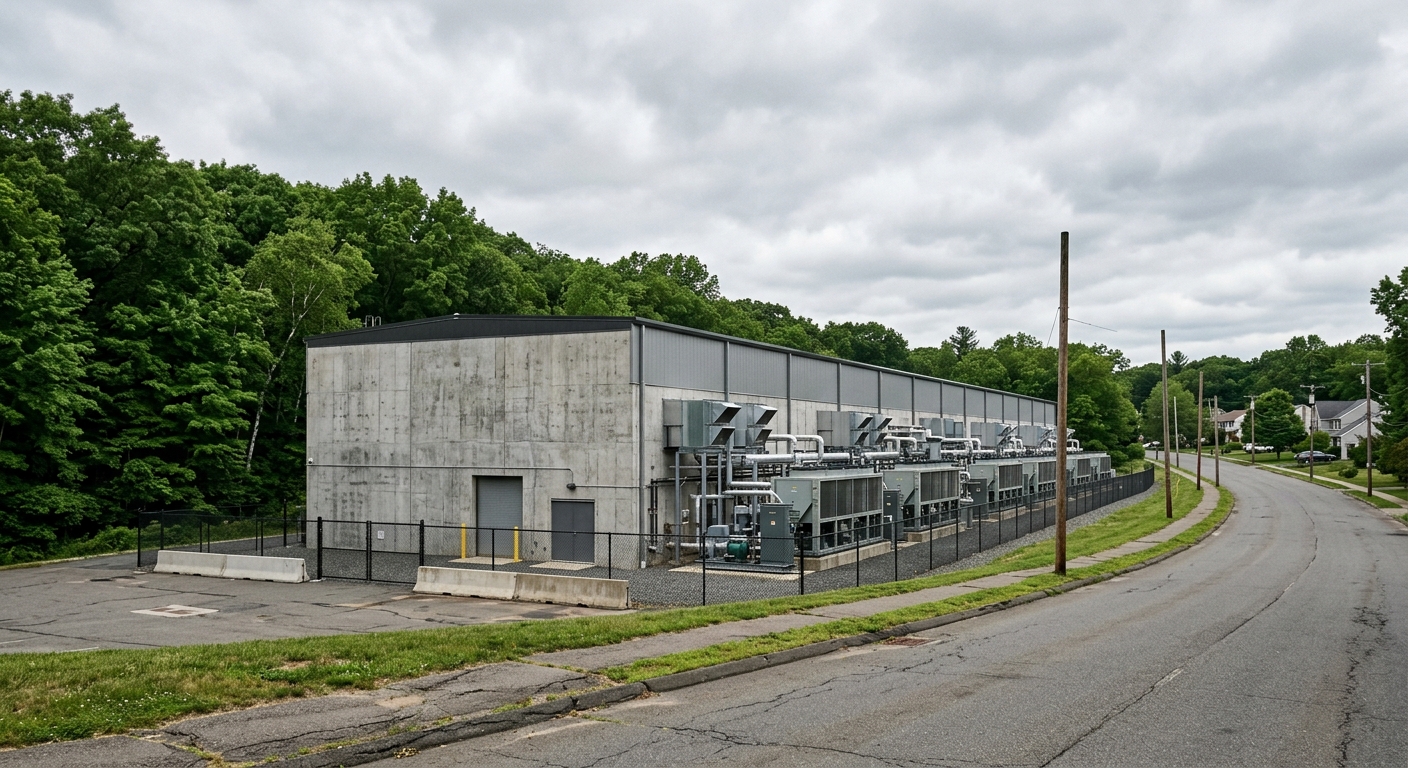
The discussion surrounding eminent domain in Tennessee has intensified, particularly in the wake of two prominent situations. Nashville is evaluating whether to invoke its eminent domain powers to potentially stop a data center project, a move that could have significant ramifications for technology infrastructure and economic development. Meanwhile, Rutherford County is deliberating on employing eminent domain to secure land for a new public safety campus, which is central to upcoming plans for improved emergency response and public services.
Nashville’s Data Center Debate and Land Use Law
In Nashville, the question of whether to use nashville eminent domain arises as debates continue over the proposed data center project. City leaders and local government stakeholders must balance anticipated economic benefits against public interests and existing land use law. Conflicting views highlight concerns regarding environmental impact, technological advancement, and neighborhood dynamics, all of which inform Nashville’s ultimate decision about land acquisition and redevelopment.
Rutherford County’s Vision for a Public Safety Campus
The scenario unfolding in Rutherford County illustrates how government land acquisition can serve public needs such as safety and infrastructure. Officials have identified a strategic parcel for a future facility, aiming for a comprehensive public safety campus to serve the rapidly growing area. Residents and property owners in Rutherford County are watching closely, with questions about fair compensation, relocation support, and the long-term impact on community fabric. Procedures around land condemnation remain a key part of public discourse.
Legal Framework and Procedures of Eminent Domain
Across Tennessee, eminent domain is governed by a carefully defined legal process. Cities and counties must demonstrate a compelling public purpose—such as building emergency facilities or infrastructure upgrades—to justify the use of tennessee eminent domain. Land owners affected by these proceedings have rights under state law, including avenues for contestation and the requirement of adequate compensation based on property value. These protections are intended to balance the state’s responsibility for collective needs with individual rights, ensuring fair treatment throughout land condemnation actions.
Urban Planning and the Role of Local Government
Decisions regarding eminent domain significantly influence broader urban planning efforts. As the population grows and new challenges emerge, Tennessee’s local government institutions face pressure to update infrastructure and public services, while preserving neighborhoods and economic vitality. The potential halting of large-scale projects, like Nashville’s data center, underscores the complexity of these choices.
Community Impact and Regional Perspective
For residents and business owners, the looming possibility of government-initiated land acquisition sparks both concern and hope. While the aim is to advance public interest projects, the consequences for those directly involved—property ownership changes and relocation—are significant. With scrutiny focused on government land acquisition procedures and the transparency of local authorities, maintaining community trust is paramount.
The current focus on eminent domain resonates deeply throughout Tennessee, especially as cities like Nashville and counties such as Rutherford navigate the tension between growth and tradition. The region’s approach to land use law will likely set precedents for future development, shaping homes, businesses, and communities for years to come.