- calendar_today August 12, 2025
Tennessee’s economy is also transforming at a massive rate as President Donald Trump’s trade policies keep influencing sectors such as manufacturing, agriculture, and retail. Foreign tariffs and foreign market tensions have Tennessee businesses keenly watching the changes. From rising production costs to unclear global trade relationships, Tennessee businesses are evolving to conduct business in the new economic climate.
Manufacturing Experiences Increasing Costs
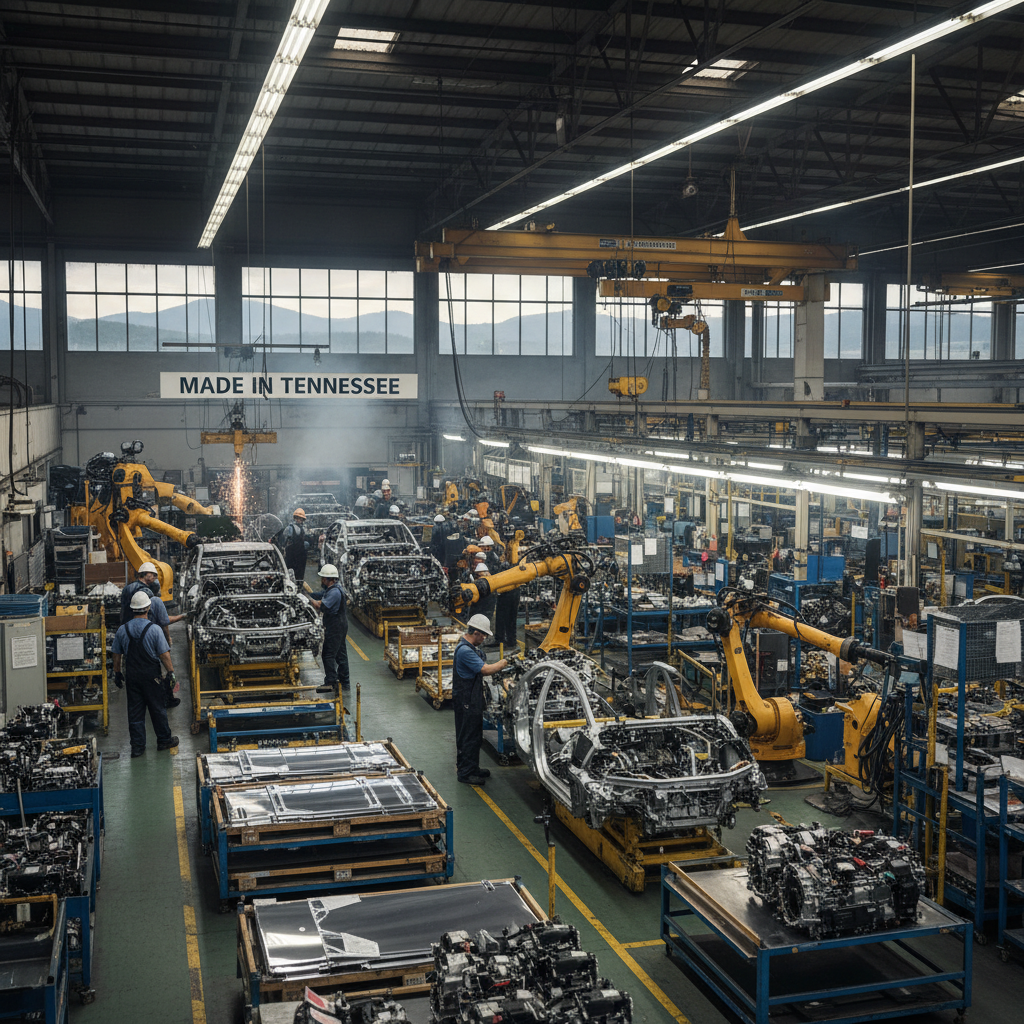
Tennessee’s manufacturing industry, including behemoth sectors such as the automotive, aerospace, and consumer product industries, have been impacted by President Trump’s tariffs directly. Chief input materials such as steel and aluminum, which are used extensively in manufacturing, are now more expensive thanks to new tariffs. Tennessee companies, especially the auto and aerospace sectors, are currently struggling with issues such as:
Increased Raw Material Price:
Tariffs imposed on aluminum and steel have driven up their price, which is making production more expensive for producers. The desire to absorb the higher cost or to pass it along to the consumer rises for firms.
Supply Chain Disruptions:
Chinese components, used by most manufacturers, have been the target of tariffs. The efficiency of supply chains has thus been disrupted with the outcome of delays and potential shortages of vital parts for assembly lines.
Possible Slowing of Jobs:
Due to these increased expenses, there are some companies that are compelled to slow production or postpone bringing in new employees. The possibility of layoffs looms as an issue, especially in industries such as the automobile industry where Tennessee has mass-scale manufacturers like Nissan and Volkswagen.
Tennessee producers are considering the duration of these trade barriers and how they will continue to impact their businesses and profitability in the long term. They are also considering alternative suppliers and means of cutting costs with technology and automation.
Agriculture Faces Export Barriers
Tennessee has a robust agricultural industry with commodities such as soybeans, cotton, and livestock. Nevertheless, the state’s farmers are already being hit by retaliatory tariffs imposed by nations such as China and the European Union. Agricultural tariffs on exports have resulted in:
Reduced Export Demand:
The retaliatory tariffs have lowered the demand for Tennessee’s farm products in export markets. China, one of America’s biggest purchasers of soybeans, has implemented tariffs that are heavily impacting Tennessee’s soybean farmers.
Uncertain Commodity Prices:
With the tariffs, commodity prices on items such as soybeans, cotton, and pork have become uncertain. Such uncertainty in prices makes it harder for farmers to plan their finances and make investments in the future.
Uncertainty of Long-Term Planning:
Trade tensions have continued and brought uncertainty to the market. Farmers in Tennessee do not know what the future trade agreements are, and long-term stability for their company is something to be concerned about.
Although federal programs of assistance have been a temporary solution for Tennessee farmers, the majority feel it may not be sufficient to counteract the long-term impacts if the trade tensions continue or worsen.
Retail and Consumer Expenditure Under Stress
With the increased tariffs on foreign products, Tennessee consumers are already feeling the increase in prices of regular products. The increases in the price of goods are impacting consumer spending and retail industries, including:
Electronics and Appliances:
Most electronics and household appliances are dependent on imported components, and the duties on the components have increased the cost to the consumer in Tennessee. This impacts both the big box stores and small businesses that sell these products.
Automobiles:
As the tariffs on parts rise, the price of manufacturing automobiles also escalated. This, therefore, could imply that consumers are compelled to pay more when purchasing new automobiles in Tennessee. The auto industry, the state’s dominant sector, is hit the hardest by the price hike.
Day-to-Day Necessities:
Those day-to-day necessities that depend on global trade, i.e., clothing, furniture, and household equipment, are also experiencing price increases. These higher prices are leading Tennessee families to cut back discretionary spending.
Tennessee consumers are pushing back their methods by making offers and promotions a means of keeping people engaged, but higher prices are tugging at their profit margins.
Conclusion: Adapting to Change
As Tennessee businesses and consumers face the challenges ushered in by Trump’s trade policies, they are adapting in myriad ways. The producers are adapting to increasing costs of production, the farmers are finding new markets, and the retailers are adapting to increasing prices of commodities. The uncertainty generated by these trade practices has resulted in economic hardship, but the Tennessee companies are not going to allow that to hold them back from being robust and continue thriving regardless of what economic hardships. Tennessee’s robust economy, productive workers, and innovative nature have it well placed to navigate these economic changes successfully.