- calendar_today June 30, 2026
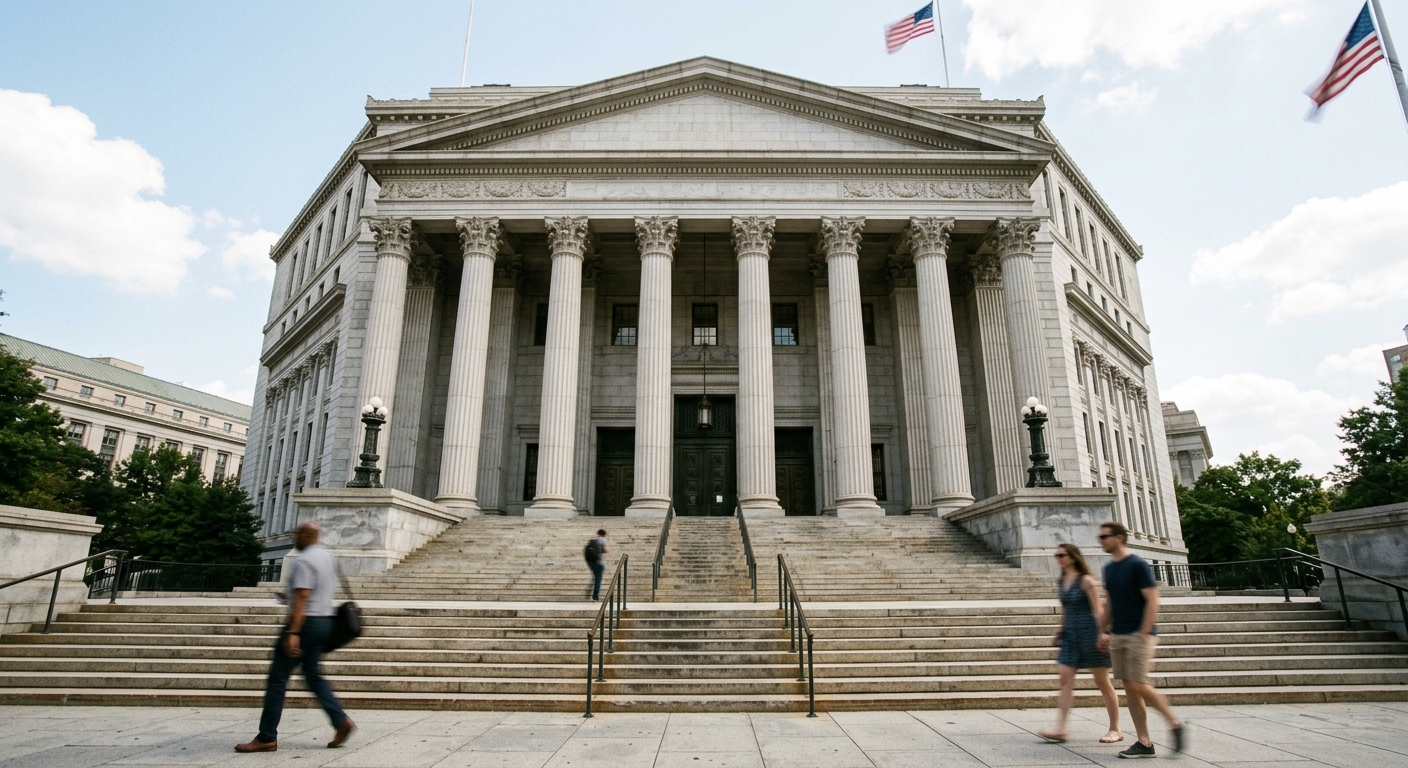
The United States Supreme Court has issued a decisive ruling upholding birthright citizenship, a decision with significant implications for residents of Tennessee and the broader nation. The ruling rejects a Trump executive order that sought to restrict citizenship for children born on U.S. soil to parents who are undocumented or temporarily in the country. Echoing longstanding interpretations of the 14th Amendment, the Court reaffirmed a central tenet of American constitutional law by confirming that nearly all individuals born within U.S. borders are entitled to citizenship rights—with only a few exceptions, including the children of foreign diplomats.
The Supreme Court’s Landmark Decision
In a majority opinion rooted in the principles of jus soli, the doctrine that grants citizenship based on birthplace, the US Supreme Court clarified federal policy on this contentious topic. Their decision rejected the Trump administration’s attempts to narrow the traditional scope, targeting more than 250,000 babies born every year—some to parents in Tennessee—whose status would have been jeopardized under the order. The Court’s stance upholds existing immigration law and reflects Tennessee’s ongoing engagement with the evolving national birthright citizenship debate.
Reinforcing the 14th Amendment and Federal Law
The Court’s reasoning centered on the historical context of the 14th Amendment, which has provided the foundation for automatic citizenship since its adoption. By reaffirming that the amendment’s language covers almost all individuals born in the United States, the justices rejected arguments that parents’ legal status should determine their children’s rights. As legal scholars across Tennessee and the country have noted, this ruling solidifies the framework for citizenship rights that federal courts have endorsed in numerous federal court rulings over the decades.
Impacts on State Policy and School Sports
The Supreme Court’s session also addressed several other high-profile cases. Justices struck down certain limits on party spending in elections while allowing states, including Tennessee, to maintain bans on transgender athletes in school sports. While those decisions will shape how local school boards and election officials operate, the affirmation of birthright citizenship may have the greatest daily impact on families and communities across the state.
Public Opinion and Continued Debate
Despite the Court’s strong message, the birthright citizenship debate remains a polarizing issue. Surveys indicate that while most Americans support automatic citizenship for children born in the U.S., opinions diverge sharply along party lines—a trend echoed in Tennessee. Community groups and local legal advocates continue to host dialogues on the topic, emphasizing the intersection of illegal immigration and citizenship rights. These discussions often draw comparisons between the U.S. system and the jus sanguinis approach favored in many other countries, which relies on parental citizenship rather than place of birth.
Broader Implications for Tennessee Families
For Tennessee’s immigrant populations, the ruling offers relief and legal certainty. Many local institutions and advocacy organizations have expressed cautious optimism, noting that the decision strengthens the state’s fabric by guaranteeing that children born in Tennessee, regardless of their parents’ legal residence status, remain part of the American community. These outcomes reinforce the core American value that birth on U.S. soil provides a path to inclusion and opportunity.
Looking Ahead: Constitutional Law in Practice
This week’s ruling will shape the direction of immigration law and constitutional law debates for years to come, particularly as political leaders in Tennessee monitor its effects. As new challenges to citizenship arise, legal experts and policymakers in the region continue to analyze how the decision will influence future legislative and judicial activity. The result is a strengthened affirmation of birthright citizenship that underscores Tennessee’s role in national conversations about rights, identity, and belonging.