- calendar_today August 28, 2025
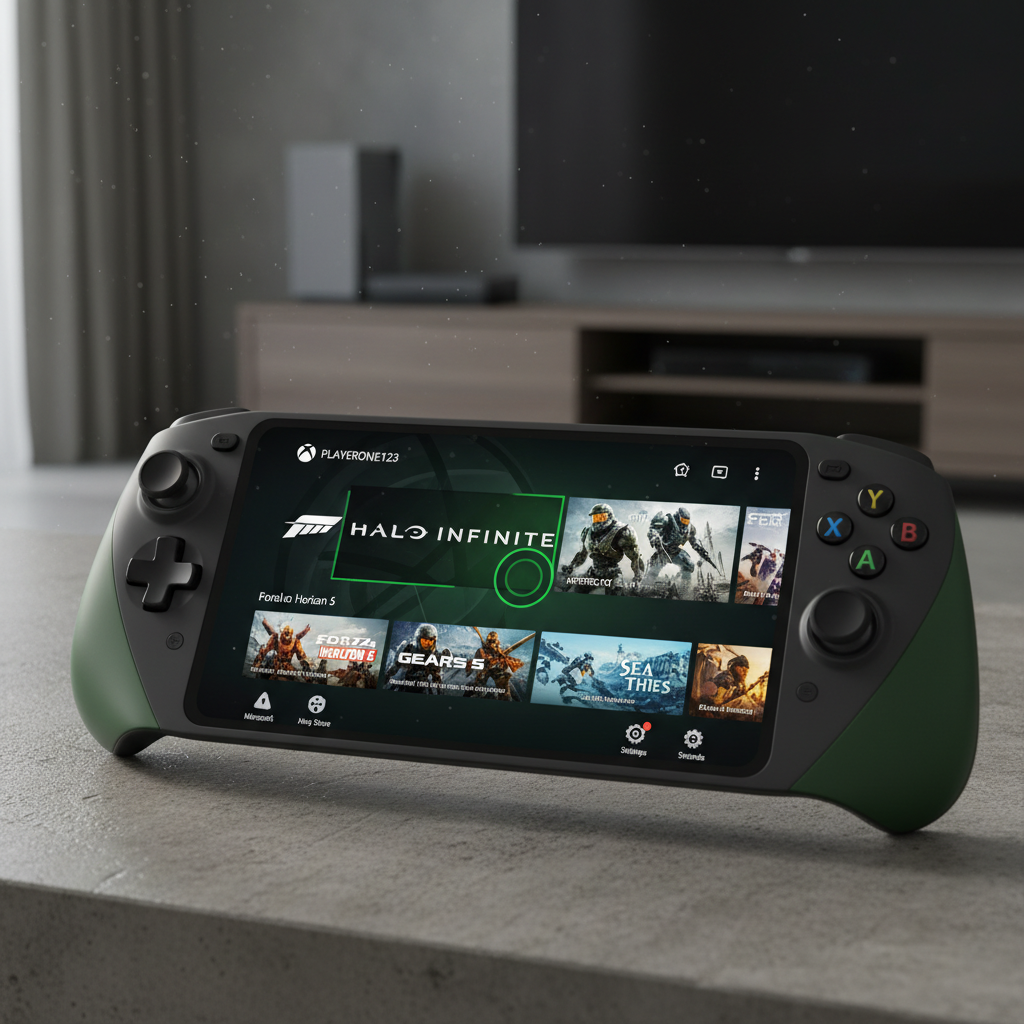
The handheld gaming sector will witness a major development as Microsoft rolls out an Xbox-themed user interface for Windows devices. Asus will collaborate to launch the new ROG Xbox Ally handheld gaming device which will offer PC gamers portability and an optimized gaming experience on the move.
Valve’s Steam Deck has maintained its leadership position in this handheld gaming category by providing a Windows alternative with its custom Linux-based SteamOS. The Steam Deck achieves success despite its dependency on the Proton compatibility layer for Windows games and limited native game support. The market demonstrates solid interest for a portable gaming device that operates without traditional Windows infrastructure support.
Microsoft together with Asus seeks to deliver a smoother experience through a console-inspired user interface layered on top of Windows. This interface relies on Windows for full PC game compatibility yet provides a clean layout optimized for gamepad use while SteamOS remains Linux-exclusive.
A Console-Like Experience on a Windows Backbone
Microsoft will launch the new Xbox UI on the ROG Xbox Ally before expanding its availability to additional Ally handhelds and other Windows handhelds starting from next year. Microsoft has not confirmed that this UI stems directly from their 2022 internal “Windows Handheld Mode” hackathon concept yet it exhibits similar design objectives.
The interface displays a full-screen tile-based design that delivers the familiar experience gamers associate with Xbox and Nintendo Switch platforms. The new system creates a simplified environment tailored for portable gaming devices which resolves persistent problems with controller support and touchscreen functionality in Windows handhelds.
Efficiency Gains That Matter for Gamers
The new user interface delivers performance improvements beyond its visual appeal. The ROG Xbox Ally uses this interface to eliminate the traditional Windows desktop and taskbar which results in better use of system resources. Microsoft states that the new interface conserves multiple gigabytes of RAM while reducing energy use which benefits battery-powered gaming devices.
The updated system delivers substantial enhancements compared to older handheld PCs such as the original ROG Ally because they run full Windows along with additional software like Asus’ Armoury Crate. The additional layer intended to bridge Windows limitations and handheld requirements frequently resulted in reduced performance efficiency. The Xbox UI handles this complexity by delivering a specialized solution.
Microsoft continues to support the desktop experience even as it develops new interfaces. Access to the standard Windows interface remains available for users who prefer it. The system offers players the flexibility to choose between a console-style interface for gaming and full Windows functionality for all other activities.
A Delayed Response to the Steam Deck Surge
The new interface shows potential yet Microsoft answered the Steam Deck’s launch with a disappointing delay. The launch of Valve’s handheld device was deemed experimental and not mature enough to guarantee success. Steam Deck’s evolution happened over time while SteamOS also evolved to support more devices including Asus models.
The foundational projects Proton and Wine which enable SteamOS functionality have shown significant advancements. Windows games now have widespread support on Linux platforms thanks to Proton and Wine which undermines Windows’ long-standing advantage of universal compatibility. Linux desktop usage has surpassed 4% globally during the past year through steady but slow progress which marks a small yet important achievement.
Windows maintained its PC dominance for many years because its system ensured compatibility with virtually all software. The stability improvements in SteamOS initiate the breakdown of Windows’ user lock-in cycle. Players discover that they can play their top gaming titles without depending on Microsoft’s operating system.
Microsoft is taking steps to remain relevant in the evolving PC gaming space through their introduction of the Xbox-branded UI. It remains uncertain if this strategy will successfully lure back gamers who have already chosen alternative platforms. Microsoft is finally demonstrating its commitment to creating a future focused on handheld devices without making users depend on their overloaded desktop platform.