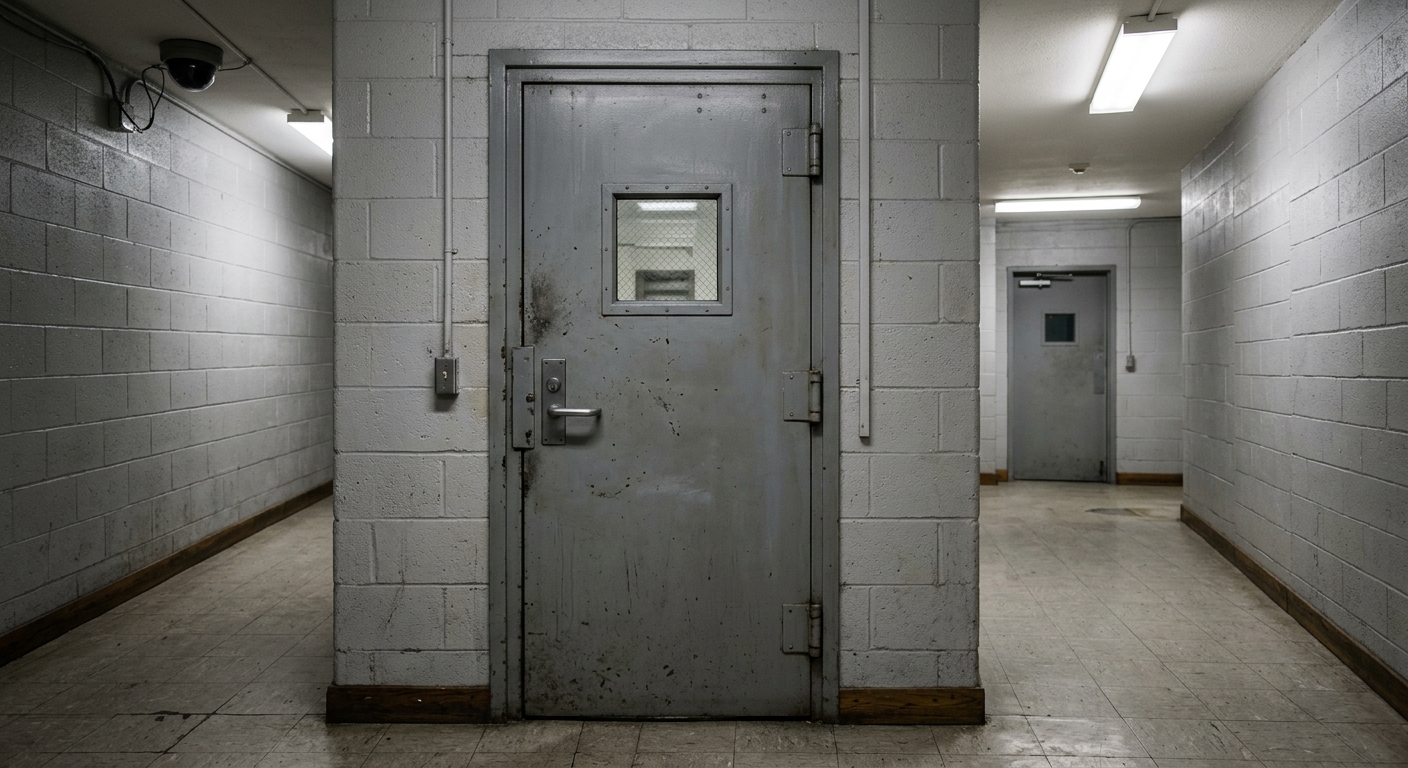
AI-generated illustration; not a photograph of the reported event.
- calendar_today August 12, 2026
Tennessee’s juvenile justice system is drawing renewed scrutiny after an extensive investigation into Wayne Halfway House revealed systemic failures in abuse reporting and safety protocols affecting vulnerable youth. Allegations have surfaced against the private provider, led by CEO Jason Crews, highlighting serious gaps in oversight and transparency within the region’s juvenile facilities.
Suppressed Reports Raise Alarms Across Tennessee
Dozens of former employees and youth detained at Wayne Halfway House have come forward, disclosing that violent incidents and instances of abuse were frequently not reported to state authorities as required by law. Abuse reporting procedures were found to be inconsistent, with documented cases of youth being assaulted and subsequently locked in isolation cells, all without timely notification to regulatory bodies.
Leadership Practices at Issue
Multiple staff members described a culture where reporting abuse or calling emergency services demanded direct approval from Jason Crews, which in several instances delayed vital help during juvenile detention crises. Employees claimed that attempts to notify authorities or comply with mandated incident reporting protocols led to staff retaliation, including threats to job security or actual termination.
State Investigation and Facility Response
The Tennessee Department of Children’s Services (DCS) has opened a formal state investigation into allegations at Wayne Halfway House. DCS is working to clarify whether established emergency protocols and safety standards are being adhered to in privately managed juvenile facilities. Meanwhile, a spokesperson for Wayne Halfway House denied any improper conduct, maintaining that the facility complies with all state laws and regulations, and emphasizes a commitment to youth care.
Concerns Over Youth Safety and Oversight
Advocates for youth safety in Tennessee stress that the findings underscore a broader crisis within private juvenile prisons. Confidentiality policies reportedly took precedence over transparency, and there is growing concern about whether vulnerable youth are adequately protected from harm. Surveillance footage reviewed by investigators supported claims that some violent episodes went unreported, exacerbating fears about insufficient monitoring.
Calls for Reform and Community Impact
Leaders across Tennessee, including legal experts and child welfare advocates, are calling for heightened state oversight over private juvenile justice providers. The apparent pattern of underreporting and administrative barriers to emergency response highlights the urgent necessity for reforms in incident documentation and regulatory compliance.
Local Institutions and Community Response
Regional stakeholders—ranging from school districts to youth advocacy organizations—are urging strict enforcement of state rules and regular reviews of juvenile justice operations. Many are advocating for improved incident reporting standards, robust training on emergency protocols, and strengthened protection for staff who flag misconduct without fear of staff retaliation.
Looking Ahead
As the state investigation proceeds, the focus remains on ensuring that Tennessee’s at-risk youth receive the highest standards of care and oversight. The case of Wayne Halfway House and the practices described under Jason Crews demonstrate a pressing need for structural changes in how private juvenile facilities operate and communicate with regulators and the broader community.