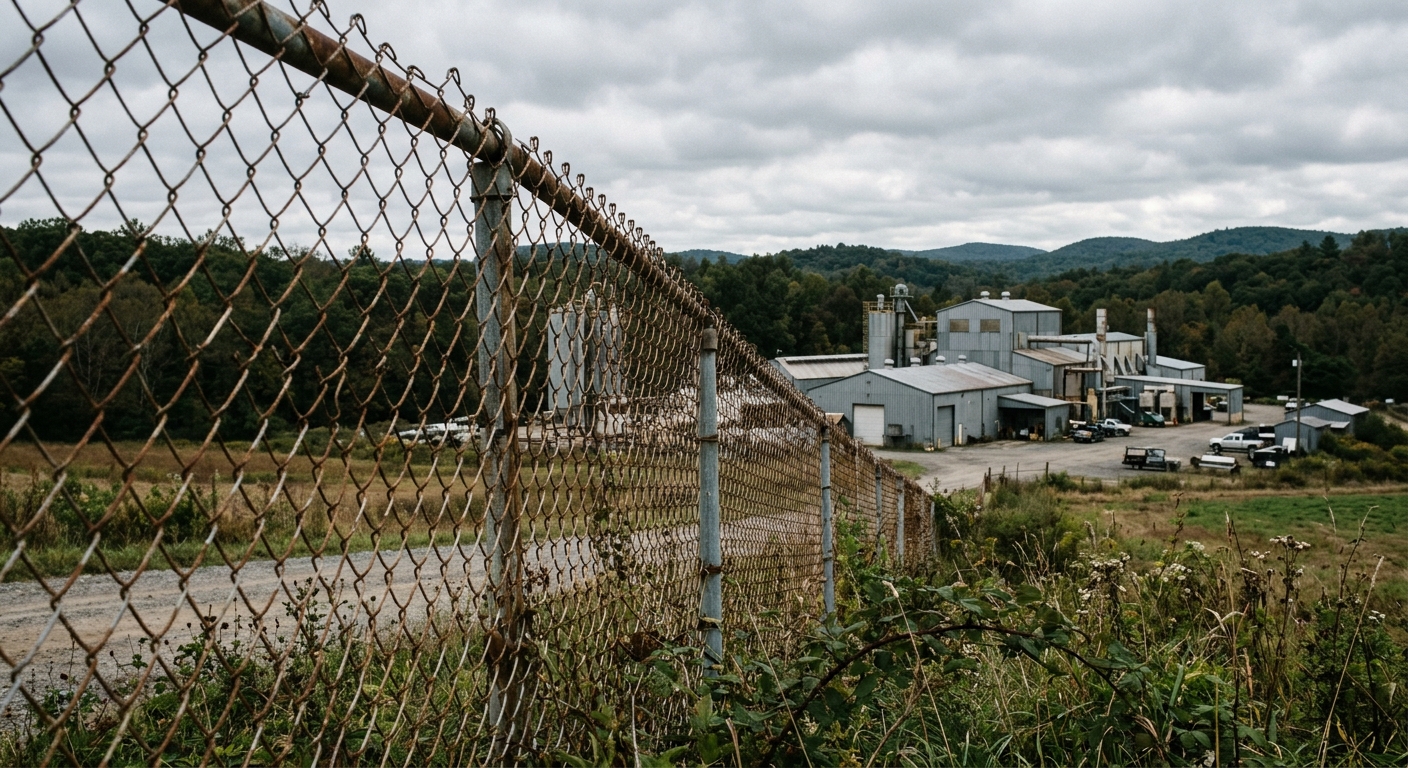
AI-generated illustration; not a photograph of the reported event.
- calendar_today October 9, 2026
Remembering the Deadliest Explosion of the Century in Tennessee
On October 10, 2025, Tennessee became the site of the nation’s deadliest explosion of the 21st century when a blast at the Accurate Energetic Systems (AES) munitions plant in Waverly killed 16 workers. The catastrophic incident set off a national conversation about worker safety, regulatory oversight, and the risks associated with explosives manufacturing.
The Events of the AES Explosion
At the time of the incident, workers at AES were handling cast boosters containing TNT and other highly explosive materials intended to initiate larger detonations. The procedure involved melting down the explosives, pouring them into tubes, and packaging them inside a building that stored about 25,000 pounds of volatile material. A sudden detonation triggered a massive pressure wave, reportedly burning or exploding more than 90% of the stored material. Residents as far as 20 miles away felt the shockwave from the explosion Tennessee experienced that day.
Investigation and Worker Safety Violations
Following the munitions plant blast, the Tennessee Occupational Safety and Health Administration (TOSHA) initiated a comprehensive OSHA investigation into the tragedy. The regulatory agency had last inspected the AES facility in 2019, identifying several safety violations at that time, but did not perform any follow-up inspections prior to the catastrophic event. In April, TOSHA issued over 100 new violations and fined AES approximately $3.1 million, citing “plain indifference” to worker safety. The citation stated, “The employer did not furnish employment and a place of employment which were free from recognized hazards that were causing or likely to cause death or serious physical harm to employees.”
Legal Action: Wrongful Death Lawsuit Moves Forward
The families of the 16 workers lost in the AES explosion have filed a wrongful death lawsuit against the company. AES attempted to dismiss the claims, but a judge has ruled that the case will move forward, keeping the issue in the spotlight as families seek accountability and justice.
The Deadliest U.S. Explosion in Decades
According to a review by WPLN News, the tennessee explosion stands as the deadliest in the United States since a petrochemical plant accident near Houston in 1990, which killed 17 people. The blast in Tennessee has reignited interest in historical industrial explosions and the risks workers face, particularly in explosives manufacturing environments.
Regulatory Oversight and Industry Classification
Despite the deadly consequences, federal regulators currently classify explosives manufacturing as a “low hazard” industry, which means facilities like AES have not traditionally been prioritized for inspections. Neither federal nor state government agencies have announced new workplace safety regulations following the incident. Tennessee Governor Bill Lee has stated that the $3.1 million fine should act as a deterrent for other businesses.
Industrial and Gas Explosions: A Continuing Danger
While the tennessee explosion was the deadliest in the nation this century, industrial explosions remain a recurring threat both in the U.S. and worldwide. Notable incidents in 2026 include a fireworks factory in China that killed at least 37, a chemical plant explosion in Louisville, and an explosion at a Toledo industrial facility. Gas infrastructure—such as pipelines serving homes and businesses—presents additional risk. According to the Pipeline and Hazardous Materials Safety Administration, around 10 people die each year in the U.S. from gas-related accidents, with other incidents occurring almost daily. In recent months, gas pipeline explosions in New Mexico and a Dallas apartment complex have resulted in additional fatalities. Global incidents include a deadly liquefied gas plant explosion in Qatar and a gas blast in a Japanese shopping mall following an earthquake.
Ongoing Questions and the Call for Change
The AES munitions plant blast has left families seeking answers and accountability, with an open question about whether regulatory oversight sufficiently protects workers in hazardous industries. The tragedy underscores the need for continued attention to workplace safety, effective inspections, and potential regulatory reforms in explosives manufacturing and beyond.
Source: wpln.org.