- calendar_today August 9, 2025
Tennessee’s Housing Market Freeze in 2025: What’s Causing the Slowdown?
In 2025, Tennessee’s once-hot housing market has entered a deep freeze. After years of breakneck growth fueled by low interest rates, population influx, and investor interest, the Volunteer State is now grappling with a sharp slowdown. Real estate activity across major cities like Nashville, Memphis, and Chattanooga has waned, with both buyers and sellers hitting pause.
The slowdown isn’t unique to Tennessee. Nationwide, rising mortgage costs and economic uncertainty are putting pressure on real estate markets. But in Tennessee, specific local dynamics—like a surge in home prices during the pandemic years, population migration trends, and affordability ceilings—are amplifying the freeze.
Perhaps the most significant headwind in 2025 is Tennessee’s exposure to high borrowing costs. With 30-year mortgage rates hovering between 6.8% and 7.2%, according to Freddie Mac data from June 2025, affordability has deteriorated drastically.
In metro areas like Nashville, where median home prices soared by over 45% between 2020 and 2022, even a modest home now requires a six-figure household income to afford monthly payments. First-time buyers are increasingly priced out, while current homeowners are unwilling to trade their 3% mortgages for double the rate.
“This rate lock-in effect is very real,” says Lori Blevins, a Knoxville-based mortgage broker. “People who refinanced at the bottom in 2021 aren’t moving unless absolutely necessary.”
Inventory is Rising, But So Are Price Cuts
Paradoxically, while some parts of Tennessee are still dealing with low housing inventory, others—especially the suburbs and outer metros—are seeing more homes sit on the market. In Memphis, Clarksville, and Chattanooga, listings have increased by over 25% compared to last year, according to Zillow data.
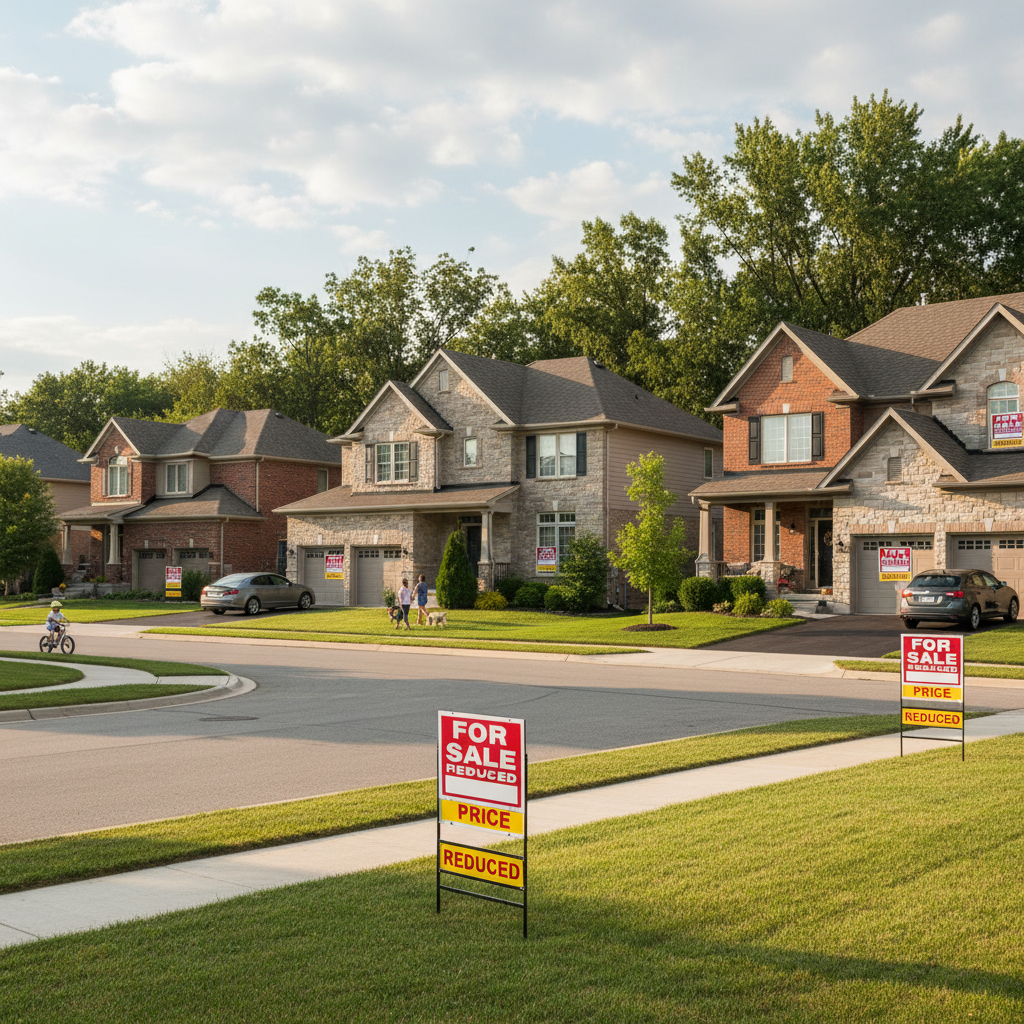
However, the growing number of homes hasn’t led to faster transactions. On the contrary, price cuts are becoming increasingly common. In May 2025, over 30% of active listings across Tennessee reported at least one price reduction—a sharp contrast to the bidding wars that dominated 2021.
“We listed our Franklin home in March and have had only two showings,” says Thomas Graves, a homeowner in Williamson County. “We’ve dropped the price twice and still no serious offers. It’s like someone flipped a switch.”
Nashville’s Boom is Now a Burden
Nashville, the state’s economic engine and real estate darling of the past decade, is now at the center of the slowdown. The city saw a massive influx of new residents and investors between 2018 and 2022. Entire neighborhoods were redeveloped, and luxury condos and short-term rental properties sprang up seemingly overnight.
But in 2025, the party has ended. The influx has plateaued, and many out-of-state investors are retreating as short-term rental returns shrink under tighter local regulations and softening tourism demand. Moreover, higher property taxes and insurance costs have made investing in the city less attractive.
“People came to Nashville thinking they’d flip homes or Airbnb them forever,” says Rachel Kim, a local realtor. “Now they’re struggling to break even, and some are cashing out or walking away.”
Construction Is Cooling Across Tennessee
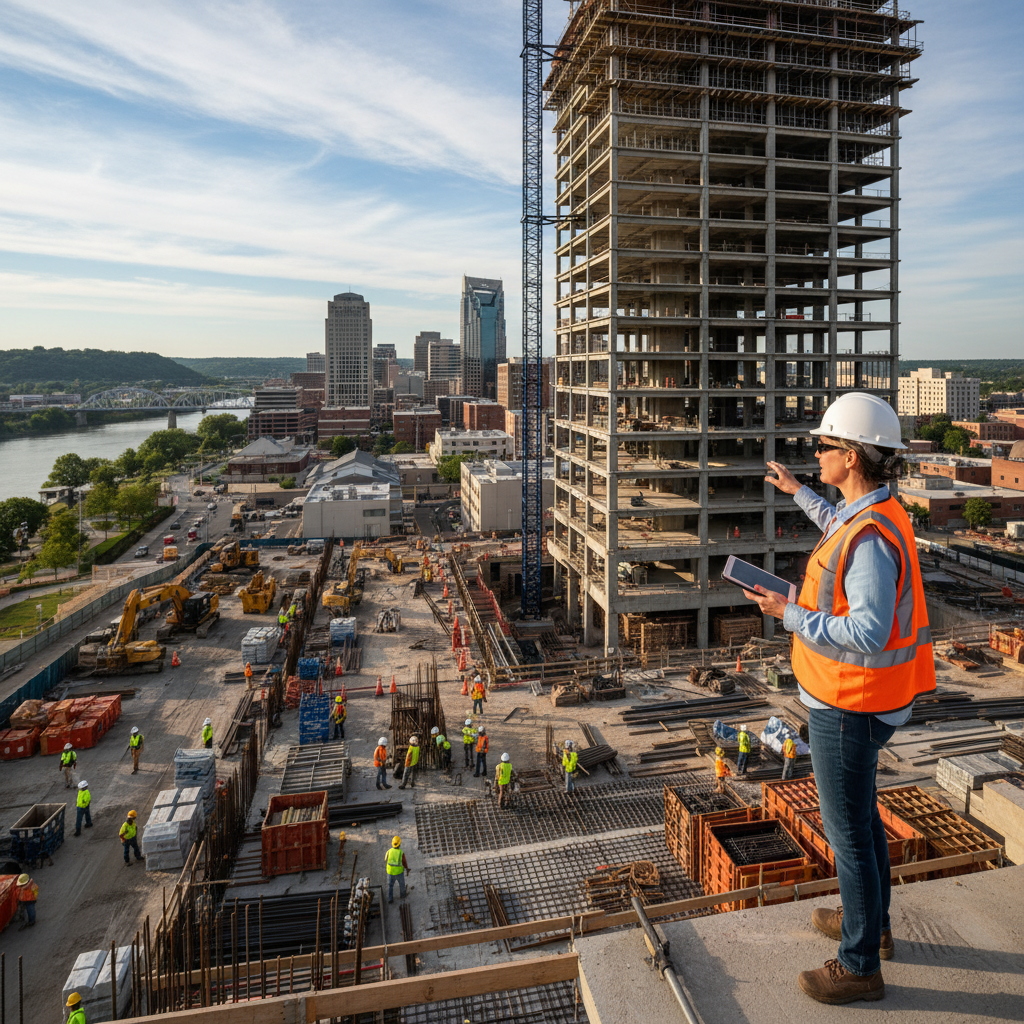
Another contributing factor to the market freeze is the sharp pullback in new housing construction. Rising material costs, labor shortages, and declining buyer demand have caused many builders to delay or cancel projects.
In Knoxville and Murfreesboro, residential permits dropped nearly 35% in the first half of 2025 compared to the same period in 2023. Many developers are sitting on land they planned to build on, waiting for either interest rates to fall or buyer confidence to return.
This poses a longer-term risk. Once demand returns—potentially when rates fall in late 2025 or 2026—Tennessee could face a renewed housing shortage due to the current construction slowdown.
Renters Aren’t Getting Much Relief Either
You might expect that with a cooling housing market, rental prices would ease. But across Tennessee, that hasn’t been the case. Rents have remained sticky, and in some cities, they’ve even edged higher in 2025 due to strong demand and limited new supply.
In cities like Chattanooga and Johnson City, rental vacancy rates are near historic lows, and developers are wary of building large-scale apartment complexes due to regulatory constraints and financing costs.
This dynamic is trapping many would-be buyers in the rental market, unable to save enough for a down payment while housing prices remain elevated and interest rates stay high.
Where Is Tennessee’s Market Heading?
While the Tennessee housing market isn’t collapsing, it is clearly in a correction phase. Most economists agree that prices are unlikely to fall sharply—thanks to demographic support and tight supply—but they’re also unlikely to rise meaningfully until borrowing costs ease.
The Federal Reserve has signaled that rate cuts may begin in late 2025 if inflation continues to moderate. That could gradually restore affordability, especially for entry-level homes. But even if rates fall, Tennessee faces deeper structural issues, such as:
- Widening income inequality
- Limited affordable housing
- Overreliance on investor-driven development
Until these are addressed, Tennessee’s housing market may remain sluggish.
What Buyers and Sellers Should Expect
For now, buyers in Tennessee should approach with caution—but not despair. The slowdown has created more negotiating room and reduced competition. Patience, flexibility, and pre-approval are key in this environment.
Sellers, on the other hand, must adjust their expectations. Overpricing a listing or expecting bidding wars may only result in a stale property and repeated price cuts.
“2025 is a transitional year for real estate,” says real estate economist Daniel Whitlow. “The froth is gone, and the market is resetting. Tennessee is no exception.”
Whether that reset turns into a recovery or a longer freeze depends on what happens next with interest rates, inflation, and economic confidence. But for now, the Volunteer State’s housing market is taking a much-needed breather.