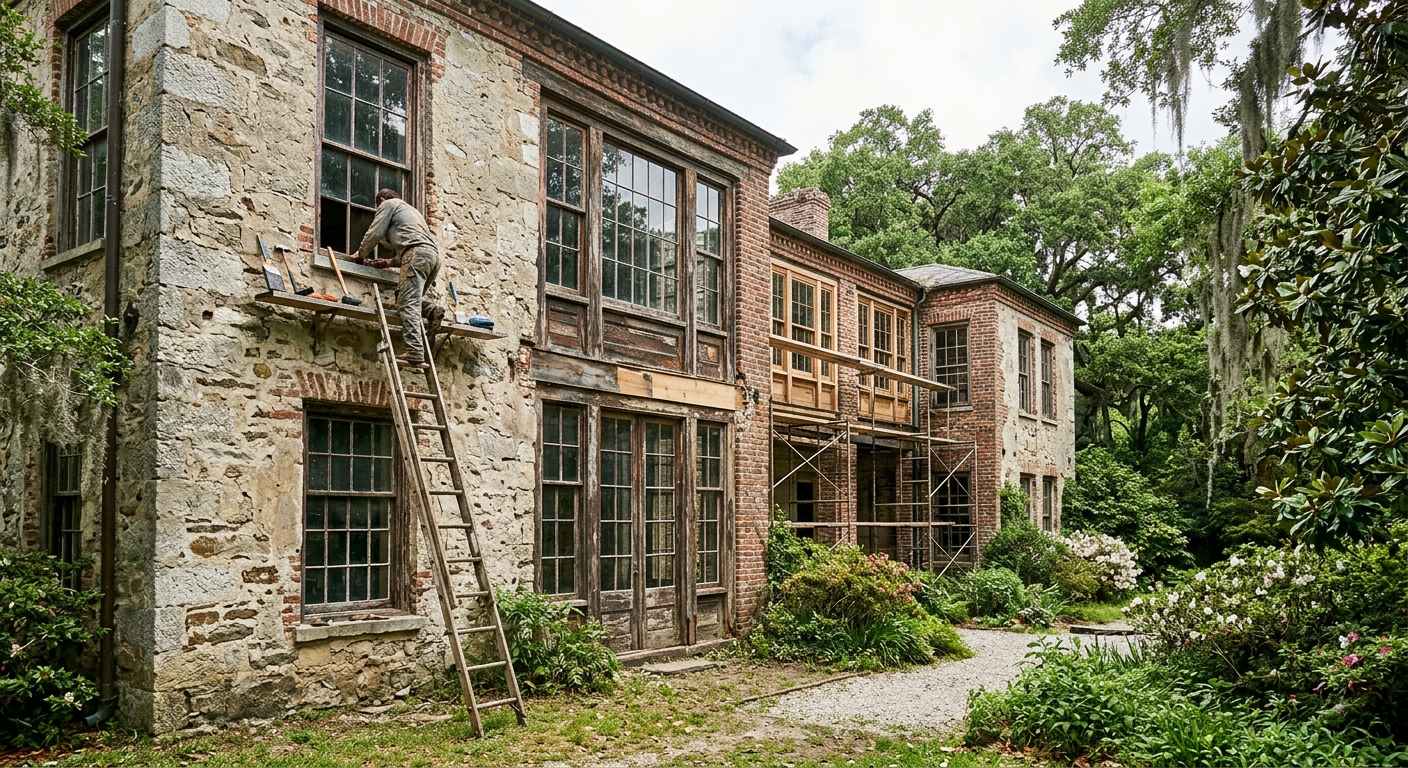
AI-generated illustration; not a photograph of the reported event.
- calendar_today August 16, 2026
Tennessee is set to receive a significant infusion for historic preservation, with $1 million in federal grant funding allocated to 28 projects across 16 counties. Among these, the renowned Cheekwood Botanical Garden and Museum of Art will receive $23,200 specifically to aid window restoration efforts, reinforcing the state’s ongoing commitment to safeguarding its cultural legacy.
Cheekwood’s Restoration Efforts Lead Nashville’s Projects
Cheekwood’s upcoming window restoration is part of a broader spectrum of historic preservation Tennessee initiatives. This funding supports preservation work that is vital to maintaining some of the region’s most cherished historic sites. Nashville, a center for cultural heritage, stands out with three projects awarded grants, including the Cheekwood restorations and efforts at the Lindsley Avenue Church of Christ.
Statewide Preservation Spans from Urban to Rural
The scope of these historic preservation projects spans urban hubs like Nashville and extends into rural communities. Notably, Middle Tennessee State University has secured nearly $40,000 to spearhead a national register nomination for the Castalian Springs mound site. This initiative highlights the state’s investment in mound site preservation and elevates the narrative of Tennessee’s indigenous peoples within local and national consciousness.
Support for Diverse Cultural Heritage Sites
Other pivotal projects receiving grants include the restoration of the Stonecipher-Kelly House in Morgan County and foundation repairs for a historic funeral home in Maury County, the latter overseen by the African American Heritage Society. Meanwhile, the War Memorial Building will undergo crucial roof repairs, ensuring the past remains accessible for future generations. The targeted funding demonstrates how the commitment to cultural heritage cuts across regions, backgrounds, and eras.
Court Houses and Public Buildings Receive Aid
County courthouses in Obion, Oberton, and Polk—essential community landmarks—are slated for building restoration with the grant money. These projects reinforce the ongoing importance of not just preserving structures, but also the social and historical narratives they represent for their communities. As projects are distributed across a wide range of tennessee counties, the reach of preservation efforts is maximized and the diversity of Tennessee’s history is honored.
Amplifying Community Heritage Across Tennessee
Federal support for restoration and preservation initiatives not only revitalizes buildings but also enhances a shared sense of community heritage. From the large-scale window restoration projects at Cheekwood to smaller, nuanced preservation of local landmarks, the funding ensures that memories, stories, and cultural roots embedded within Tennessee’s landscapes continue to be celebrated and remembered. Experts note that this effort is integral in connecting new generations to their regional past, creating educational opportunities and fostering state pride.
A Sustainable Path for Historic Sites
This latest round of federal grant funding underscores a long-term vision for historic preservation tennessee residents and visitors alike can appreciate. By protecting not only high-profile attractions but also lesser-known gems, these investments ensure a sustainable future for the state’s historic sites. Across Tennessee, local governments, universities, nonprofit organizations, and community partners are coming together to carry out the vital work of preservation, further cementing Tennessee’s reputation as a leader in cultural stewardship.