- calendar_today August 24, 2025
Tennessee’s cotton farmers are in for more than their typical weather woes in 2025. A combination of declining cotton output and increased alarm about the Generalized System of Preferences Plus (GSP+) trade program has put a cloud of uncertainty over the state’s agricultural and textile industry. Tennessee farmers, exporters, and industry officials are now bracing for potential economic consequences as international trade changes and natural factors constrict the cotton supply chain.
A Challenging Year for Cotton Farmers
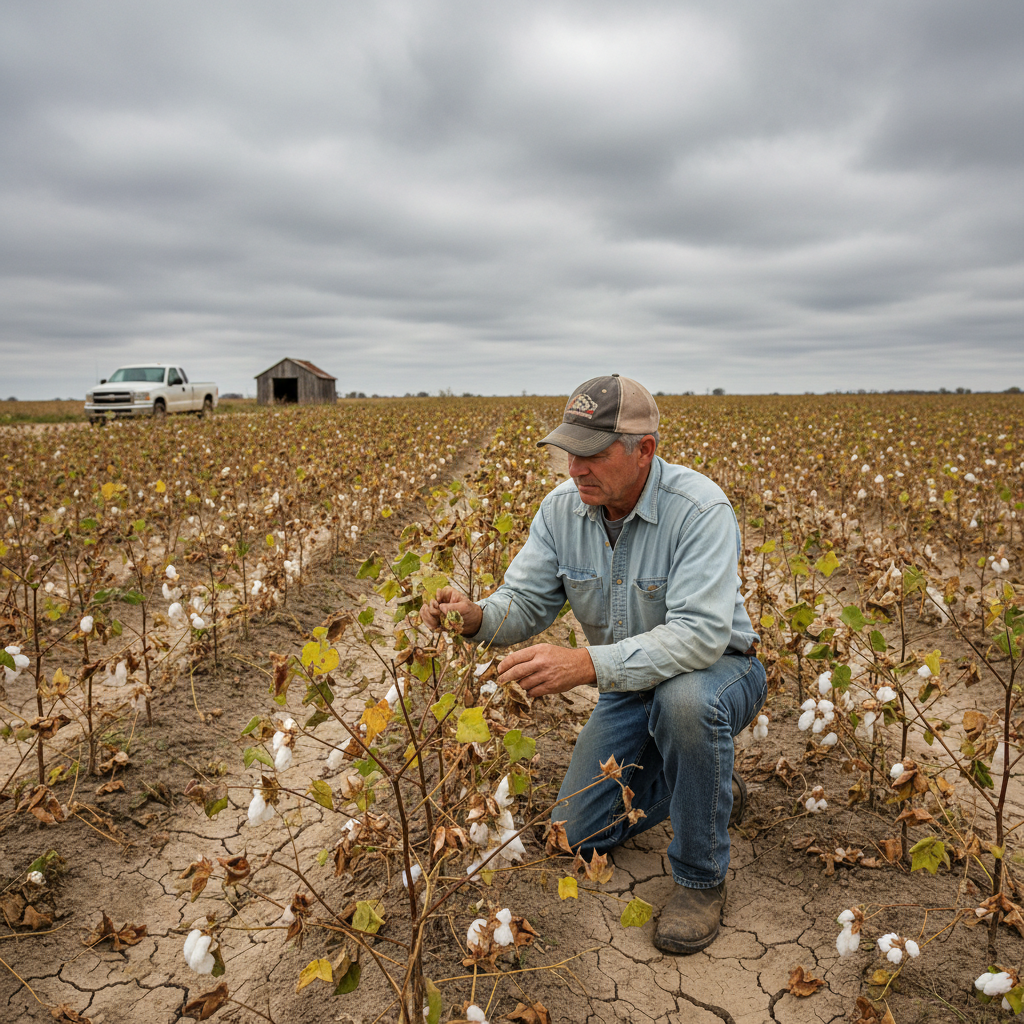
Tennessee has been a long-time member of the U.S. Cotton Belt, growing thousands of acres of cotton annually. But this year has been unusually challenging. Severe weather conditions, such as late frosts and surprise heatwaves, have contributed to lower yields on many farms in western and central Tennessee.
“I’ve been farming cotton for over 30 years,” says one farmer in Haywood County. “This is the hardest season I’ve seen in a long time. The plants aren’t thriving, and prices are just not making up for the losses.”
With lower yields and higher production costs, many farmers are worried about staying profitable. Rising fuel, fertilizer, and labor costs are only adding more pressure.
GSP+ Trade Program: What’s at Stake?
GSP+ is a special trading arrangement that provides select nations with greater access to the global markets in the form of lower tariffs. For U.S. traders, particularly those operating in agriculture and textiles, this scheme is an important benefit when exporting internationally.
But in 2025, talks of curtailing the GSP+ advantages—or even suspending them—have put several in Tennessee’s cotton business on edge. If trade partners lose their interest in purchasing U.S. cotton-based products, export quantities can plummet.
Tennessee ships not only raw cotton, but also finished cotton items such as fabrics and clothing. A decline in demand from overseas markets may have a ripple effect throughout the state.
“International buyers count on us consistently,” says one owner of a textile mill in Jackson, TN. “Without the GSP+ benefits, our price increases, and buyers may seek alternatives at lower costs.”
Economic Impact Could Spread Quickly
The concern does not only lie with cotton producers and exporters. The Tennessee cotton industry supports a network of allied industries — transport, processing, packaging, and retail — that can all be affected by curtailed production and trade uncertainty.
If cotton sales fall, mills can reduce processing, trucking companies can lose business, and local warehouses can stand idle. That’s bad news for rural county jobs that are heavily reliant on agriculture.
In other places, communities are already bracing for slowdowns. “When our farmers suffer, the entire town suffers,” says a business owner in Dyer County. “Folks spend less, shop less, and local businesses take the hit.”
Farmers Demand Action
As issues add up, farmers and agricultural groups are calling on state and federal authorities to act. Their demands are:
- Assistance programs for struggling cotton farmers
- Clarity regarding what happens to GSP+ agreements
- Long-term plans for guarding Tennessee’s agricultural exports
Some also demand improved weather monitoring tools, sustainable agriculture assistance, and investments in new cotton strains that will be better able to cope with Tennessee’s shifting climate.
Other farmers are contemplating a different crop altogether, such as soybeans or corn, if cotton remains unprofitable, though this too has its own risks and investments.
Local Innovation and Hope
In spite of the odds, not everything is gloomy. Tennessee hosts a number of agriculture research centers and universities that are developing methods of enhancing crop resistance. Improved cotton seed varieties, sophisticated irrigation systems, and digital monitoring tools may aid farms to remain competitive in the future.
Additionally, some manufacturers in Tennessee are exploring blends of cotton with other fibers to reduce dependency on pure cotton materials. Local brands are also looking into more domestic supply chains to reduce reliance on uncertain global trade policies.
“There’s no quick fix,” says a cotton industry analyst in Memphis. “But Tennessee has a strong agricultural tradition, and if we act quickly, we can adapt.”
Looking Ahead
As 2025 unfolds, Tennessee’s cotton sector is at a crossroads. Weakening yields and GSP+ trade issues are urgent problems that need immediate solutions. Without robust backing and visionary measures, cotton growers and companies associated with the sector could suffer long-term economic hardship.
For the time being, the state’s farmers are doing what they’ve always done — persevering, looking for better years to come, and appealing to leaders to acknowledge the need to maintain Tennessee’s cotton economy.
Summary:
Tennessee’s cotton producers are facing stress in 2025 because of lower yields and uncertainty about the future of the GSP+ trading program. Both of these stresses could trickle down to the overall economy with repercussions for manufacturing, exports, and rural employment. Although there are suggestions for some answers, decisive leadership and swift action will be needed to prevent long-term harm.