- calendar_today August 13, 2025
Why Tennessee Car Purchasers and Vehicle Manufacturers Are Moving Towards International Car Price Hikes
Introduction
India’s largest automaker, Maruti Suzuki, hiked prices 4% on all models. Maruti Suzuki points to increasing raw material costs, inflation, and supply stringency worldwide for its price increase. While Maruti Suzuki itself is not a U.S. seller of cars directly, Maruti Suzuki price moves percolate through to influence wider industry developments impacting markets across the globe, including the market in Tennessee.
Tennessee is a key hub for automobile manufacturing, housing major production plants for companies like Nissan, General Motors, and Volkswagen. As global car prices rise, Tennessee’s auto industry must navigate shifting costs, supply chain challenges, and changing consumer behaviors. This article explores how Tennessee’s auto market is preparing for these developments.
Maruti Suzuki’s Price Hike and Its Global Impact
Maruti Suzuki’s price increase is part of a larger trend affecting the global auto industry. Factors such as rising steel and aluminum costs, expensive semiconductor components, and logistics challenges have forced many automakers to adjust their pricing. While Tennessee buyers do not purchase Maruti Suzuki vehicles directly, the effects of these cost pressures are felt across the industry, impacting everything from new car prices to used vehicle demand.
How Tennessee’s Auto Industry Is Changing
Tennessee’s auto industry, from the dealerships to the automakers to the consumers, is changing because of these advances in the following ways:
1. Centralizing Local Production
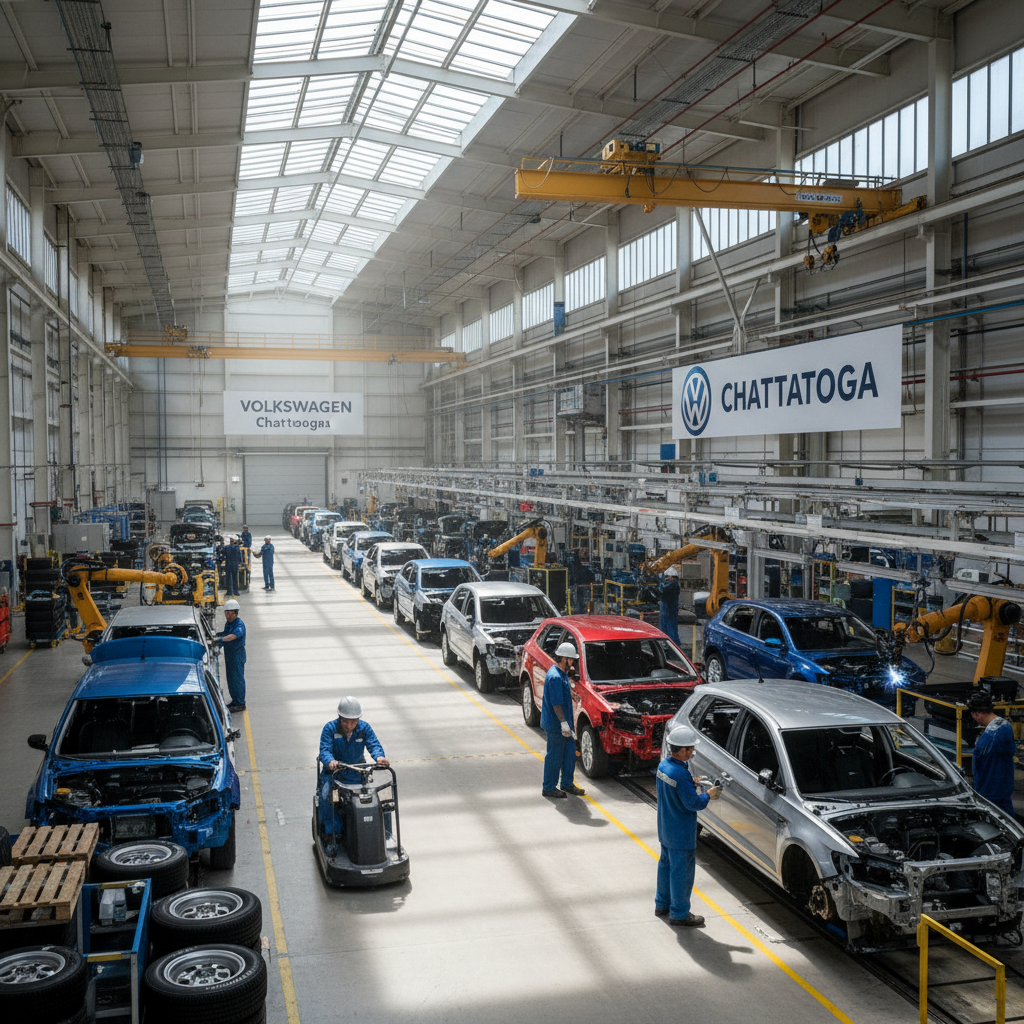
Tennessee has giant auto factories, such as Nissan’s plant in Smyrna, Volkswagen’s plant in Chattanooga, and General Motors’ plants in Spring Hill. With car prices still increasing on the global front, Tennessee manufacturers will increase efficiency and make better use of local supply chains in a bid to reduce costs and battle prices.
2. Auto Parts and Repair Costs Rise
Most components used in American cars are supplied from overseas markets, including India. With Maruti Suzuki and other automobile manufacturers raising prices, the cost of imported components may also be higher. This will mean more for Tennessee repair shops, dealerships, and car owners needing vehicle service.
3. Altered Dealership Pricing Strategies
Tennessee car dealerships are responding with pricing and retailing as they mirror global tendencies. With growing expenses affecting the sale of new cars, dealerships are offering competitive financing options, trade-ins, and rebates to convince customers and hold onto sales volumes.
4. Rising Demand for Used Vehicles
With rising prices of new cars, many of Tennessee’s auto buyers are making a switch to the used car market. Demand for used cars has been consistently growing over the past two years, and automobile dealerships all over Tennessee are attempting to increase their inventories of used vehicles to lure price-sensitive buyers.
5. Increased Demand for Electric and Hybrid Cars
With fuel costs fluctuating and car prices rising, more consumers in Tennessee are exploring electric (EV) and hybrid options. Nissan’s LEAF, produced in Smyrna, is a popular EV choice, and automakers are ramping up production to meet growing interest in fuel-efficient alternatives.
What Tennessee Car Buyers Can Do
If you’re planning to buy a car in Tennessee, here are some practical strategies to navigate rising costs:
- Shop Around for the Best Offers – Shop around for the best offers at various dealerships to acquire the most favorable bargains.
- Look for Certified Pre-Owned Cars – A certified pre-owned car can provide reliability and savings compared to buying new.
- Cash in on Maker Incentives – Automobile makers typically launch rebates, financing incentives, or trade-in incentives to balance rising prices.
- Track Market Trends – Staying abreast of car price trends will allow you to buy at the best time.
- Check out EV and Hybrid Options – Gas-sipping vehicles can save you a lot of money on gas and repairs in the long run.
Conclusion
Maruti Suzuki price hike is a reflection of global market cost pressures that the whole automobile sector is going through. Although Tennessee receives Maruti Suzuki cars straight from the exports, the surge in the global market is being felt in car prices, production, and buying habits.
Tennessee’s car industry is bucking the trend by increasing local production, adjusting pricing strategies, and building up the used automobile and electric car markets. While auto prices worldwide keep on fluctuating, Tennessee car buyers and businesses must remain aware and adaptive in an attempt to successfully weather the evolving landscape of automobiles.