- calendar_today August 9, 2025
When trade policy shifts, Tennessee listens. The state may not dominate headlines like Texas or California, but its economy is feeling the direct tremors of the 2025 U.S.–China trade war. With a GDP built heavily on automotive assembly, industrial manufacturing, agriculture, and logistics, Tennessee’s position in the American economy is more influential—and more vulnerable—than often recognized.
While tariffs rise and Beijing retaliates, Tennessee’s economic engine is shifting gears. Instead of collapsing under supply chain constraints, the state is investing in domestic resilience and regional innovation, prompting a unique investment landscape in the heart of the American South.
What’s Hurting Tennessee?
The trade war has upended some of Tennessee’s core industries. Auto manufacturers in Chattanooga, Smyrna, and Spring Hill depend heavily on Chinese imports for key components—particularly electric vehicle batteries, semiconductors, and infotainment systems.
Key Impacts as of Q2 2025:
- 24% decrease in Chinese auto parts imports year-over-year, disrupting just-in-time manufacturing.
(Source: U.S. Department of Commerce) - Retaliatory tariffs on Tennessee’s soybean and cotton exports, hurting farmers across central and western counties.
(Source: USDA Regional Trade Report, April 2025) - LNG infrastructure investment delay near Memphis due to limited international financing exposure amid broader U.S.–China friction.
(Source: EIA Investment Brief, 2025)
Tennessee’s Adaptation Playbook
Automotive Sector: Building Resilient Supply Chains
Tennessee is home to three of the largest automotive plants in the U.S.—Nissan (Smyrna), Volkswagen (Chattanooga), and GM (Spring Hill). Each is now reducing dependence on Chinese components by building regionalized supplier networks and embracing automation.
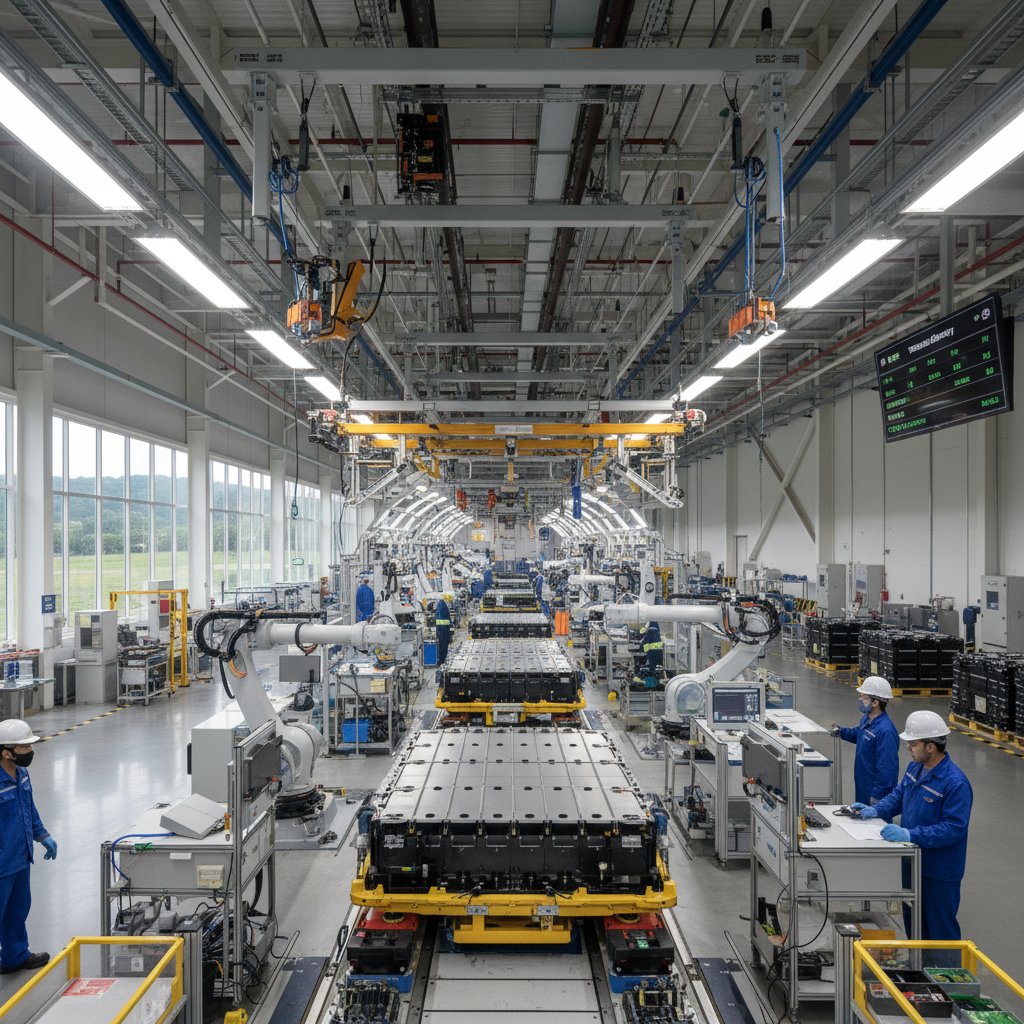
Volkswagen recently announced a $980 million expansion for battery manufacturing on-site in Chattanooga, minimizing exposure to foreign suppliers.
(Source: Reuters Auto Manufacturing Report, May 2025)
Manufacturing: Localizing and Innovating
Tennessee’s robust manufacturing ecosystem—textiles, heavy machinery, and plastics—is leaning into federal subsidies to re-shore production and attract skilled labor. Tax incentives and private-sector innovation hubs (like those in Knoxville and Oak Ridge) are helping shift small manufacturers away from Chinese imports and toward AI-driven efficiency models.
Agriculture: Diversifying Crop and Domestic Distribution
While soybeans and cotton face export barriers, Tennessee’s farmers are pivoting to domestic-focused crops such as corn and specialty grains. There’s a growing push toward regenerative agriculture and value-added products like biodiesel and ethanol for local markets.
Cooperative grain processors in western Tennessee are receiving state grants to open local processing mills, reducing dependency on Chinese demand and shipping volatility.
Logistics: Rising Regional Powerhouse
Thanks to its strategic geography and Memphis’s status as a global logistics hub (home to FedEx HQ), Tennessee is adapting well to changing trade routes. With Chinese imports declining, Tennessee’s warehousing, freight forwarding, and last-mile delivery sectors are seeing increased regional demand for rerouted cargo originating from India, Mexico, and Latin America.
Where Investors Should Be Looking
- Battery and Semiconductor Infrastructure
Chattanooga and Knoxville are quickly becoming key locations for domestic battery development. Investment funds targeting clean auto tech and EV supply chains are gaining traction. - Regional Industrial ETFs
Manufacturing retooling efforts in Tennessee are ideal for industrial ETFs focused on localized production and robotics integration. - Agriculture Co-ops and Biofuel Ventures
Value-added agriculture investments are safer than bulk crop exports in 2025. Tennessee is growing its biodiesel footprint, particularly in central regions. - Logistics and Freight Tech
As e-commerce remains strong and imports shift to non-China sources, Tennessee’s logistics industry—especially around Memphis—is well-positioned for growth. Watch for regional logistics REITs and supply chain tech startups.
Tennessee’s Message: Adapt or Be Replaced
Tennessee isn’t chasing headlines—it’s securing its economic future through grit, partnerships, and forward thinking. The state’s manufacturing and agricultural roots have made it sensitive to geopolitical shifts, but its strategic investments in automotive resilience, advanced logistics, and agri-innovation are creating new opportunities.
In the 2025 global trade war, Tennessee isn’t simply enduring—it’s adapting with urgency, clarity, and long-term vision.