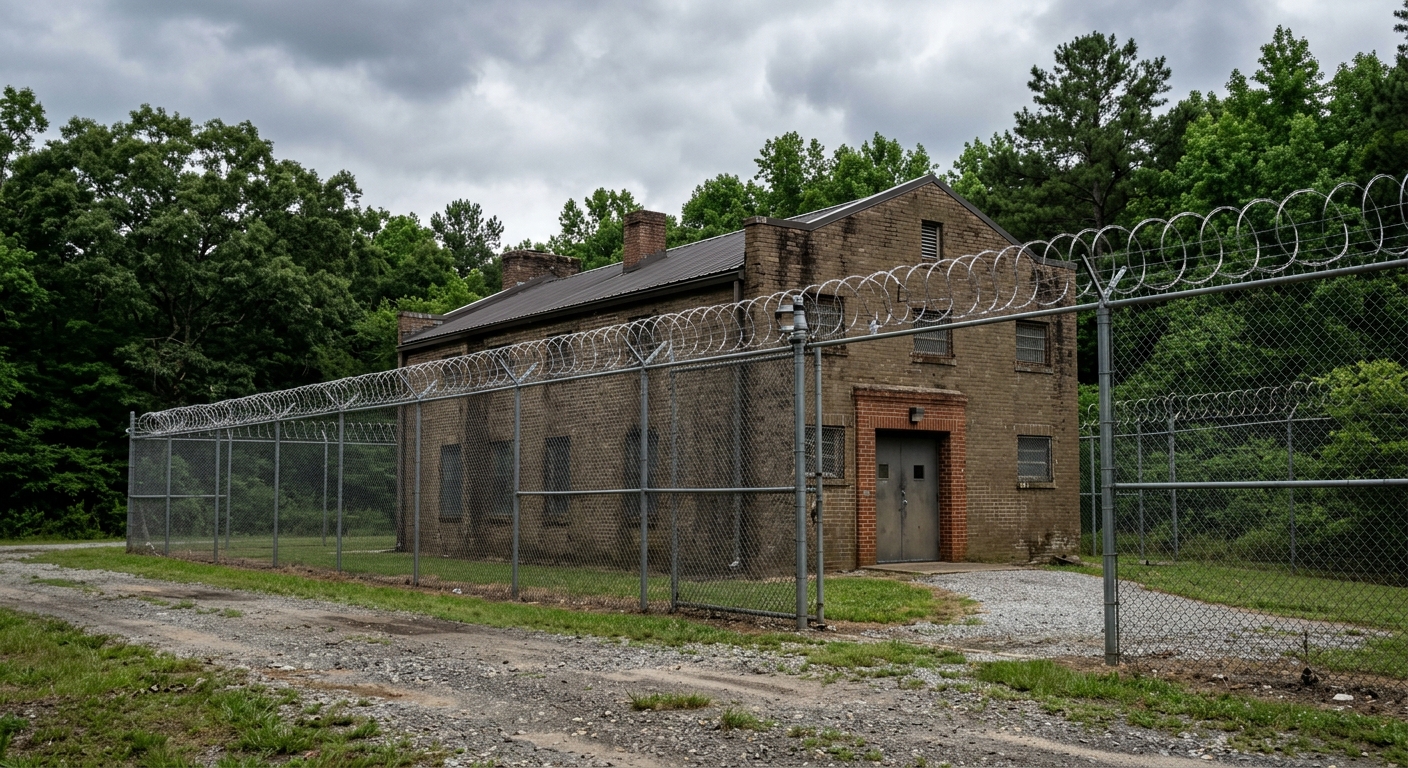
AI-generated illustration; not a photograph of the reported event.
- calendar_today October 14, 2026
Emergency Response Delayed After Failed Execution
Newly released 911 recordings have shed light on the communication breakdown that delayed an ambulance response after the failed execution of Christa Pike at Riverbend Maximum Security Institution. Pike, who underwent two rounds of lethal injection drugs on September 30, remained alive for an hour and a half before she was transported to a hospital.
Breakdown in Emergency Communication
According to audio provided by Nashville's Department of Emergency Communications (DEC), confusion was at the heart of the delayed ambulance response. Dispatchers were heard questioning the validity of the calls from the prison, unsure if the requests for medical assistance were real or prank calls. “We are trying to find out if that is an actual thing that is happening, and we need to send an ambulance … or if this is someone that is just, basically, prank calling,” a dispatcher commented during the call.
Initial Call for Help and Verification Issues
The first urgent call from a prison worker was not released in audio form due to concerns over the voice's recognizability but was provided as a transcript. The transcript read, “We’ve been carrying out an execution tonight. We’ve administered 10 grams of pentobarbital. The person is not yet deceased. That started approximately one hour ago. And we’re calling for an ambulance.” Shortly after, one of Pike’s attorneys also called for help, but neither caller could provide the verification code required to confirm the call’s authenticity. This code was to be issued by prison staff but was never relayed to dispatchers.
Contradictory Statements from Prison Officials
The confusion deepened when Riverbend Maximum Security Institution staff explicitly denied needing help when contacted by emergency dispatch. “We didn’t call anybody,” a prison worker stated, adding, “I would have been the one to call you guys. We didn’t call anyone.” Despite ambulances and emergency vehicles waiting outside the facility, the lack of verification and conflicting information stalled the response as Pike waited inside the prison.
Details of the Execution and Certification of Death
Under Tennessee’s execution protocol, there is a mandated five-minute waiting period after all lethal injection drugs have been administered. After this period, a curtain closes over the witness bay, and a physician certifies death. The curtain was drawn at 8:16 p.m. following Pike’s second dose. Witnesses reported hearing Pike’s labored breathing over a loudspeaker until 8:53 p.m., but it remains unclear if she received medical attention during that time. Pike’s attorneys later said they did not know what was happening inside the chamber after the curtain closed.
Ongoing Questions and Legal Concerns
The incident renewed concerns over Tennessee Department of Correction protocols and the lack of a backup plan when lethal injection fails. Leading up to the attempted execution, Pike’s attorneys argued her small and fragile veins posed a risk and predicted complications, but the Tennessee Supreme Court deemed the risk too speculative to warrant intervention. Ultimately, the emergency recordings underscore the urgency for clearer emergency communication and better-defined protocols for incidents like failed executions.
Ambulance Finally Arrives
After more than an hour of uncertainty, the recordings show that at 9:53 p.m., an ambulance with Pike on board departed the prison, ending the prolonged execution delay.
Source: wpln.org.