- calendar_today August 3, 2026
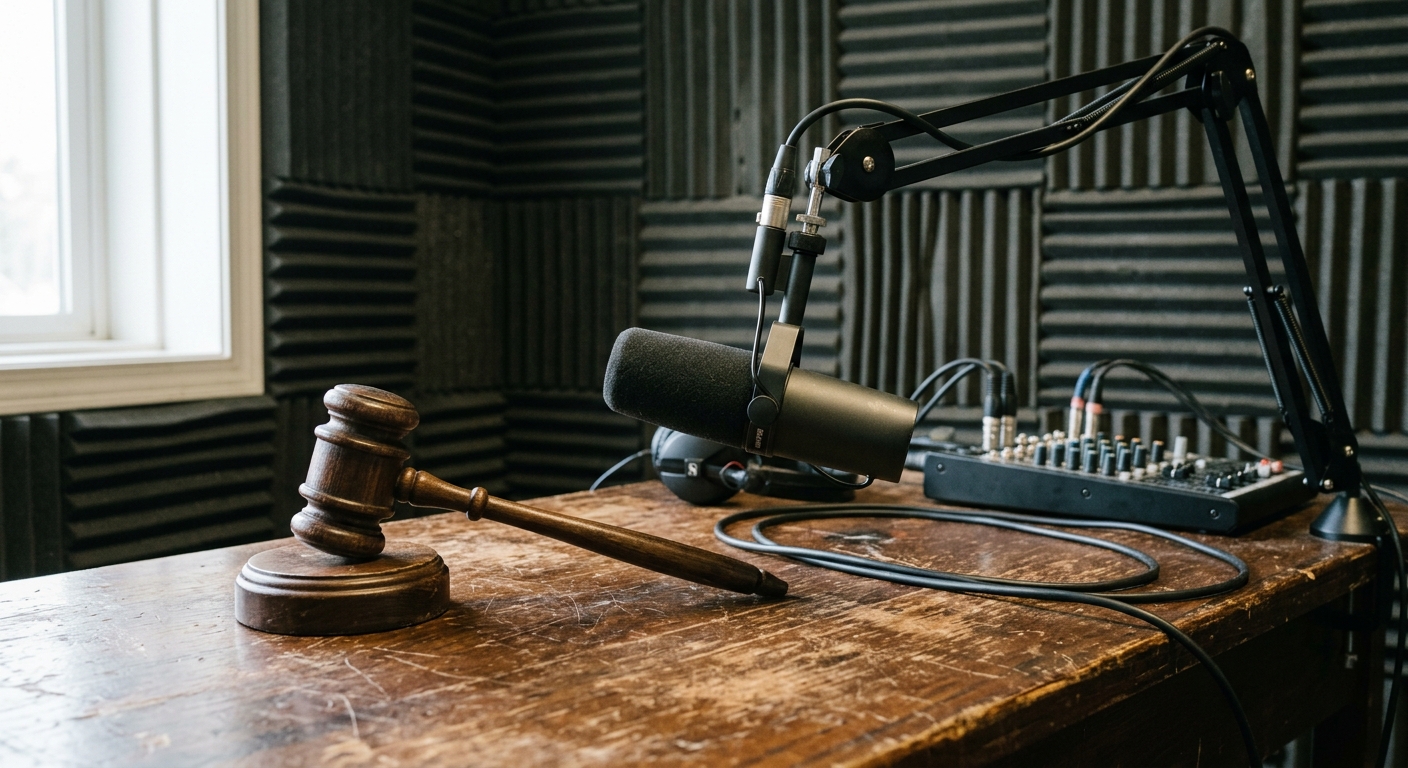
Tennessee continues to grapple with the legacy of poll taxes, as explored in a recent episode of The NashVillager Podcast, which delves into both the historical and ongoing obstacles to equitable voting in the region. The nuanced examination emphasizes how barriers rooted in the state’s past still inform present-day challenges for communities and the broader electoral system.
Historical Context: The Birth and Persistence of Poll Taxes
Poll taxes were first introduced as a means to limit the electorate, especially targeting marginalized groups. Though officially abolished decades ago, the history of historic voter suppression in Tennessee has left an indelible mark. The podcast underscores that remnants and interpretations of these measures continue to affect both voter access and participation.
Modern Manifestations of Voting Restrictions
While outright poll taxes are no longer legal, the episode probes how hidden poll taxes and other indirect methods create modern-day voting restrictions. These can take the form of administrative hurdles, complicated registration procedures, or even the redrawing of district lines – a process known as redistricting – which sometimes dilutes the voting power of certain populations. Such practices persistently impede fair voter participation in tennessee elections.
Nashville Public Radio’s Role in Raising Awareness
Produced by Nashville Public Radio, the podcast offers both news updates and in-depth analysis on these crucial issues. By contextualizing historical events with present-day realities, the program connects local communities to these ongoing challenges and helps illuminate lingering inequities in the electoral process.
The Mechanics of Voter Suppression: Then and Now
Throughout Tennessee’s history, mechanisms such as literacy tests, complex residency requirements, and poll taxes have functioned as barriers to the ballot. While the methods may have evolved, the effect remains similar: a constrained and sometimes discouraged electorate. The podcast notes continued vigilance is required to identify the modern forms of suppression that inhibit voting rights for many residents.
The Community Impact and the Call for Reform
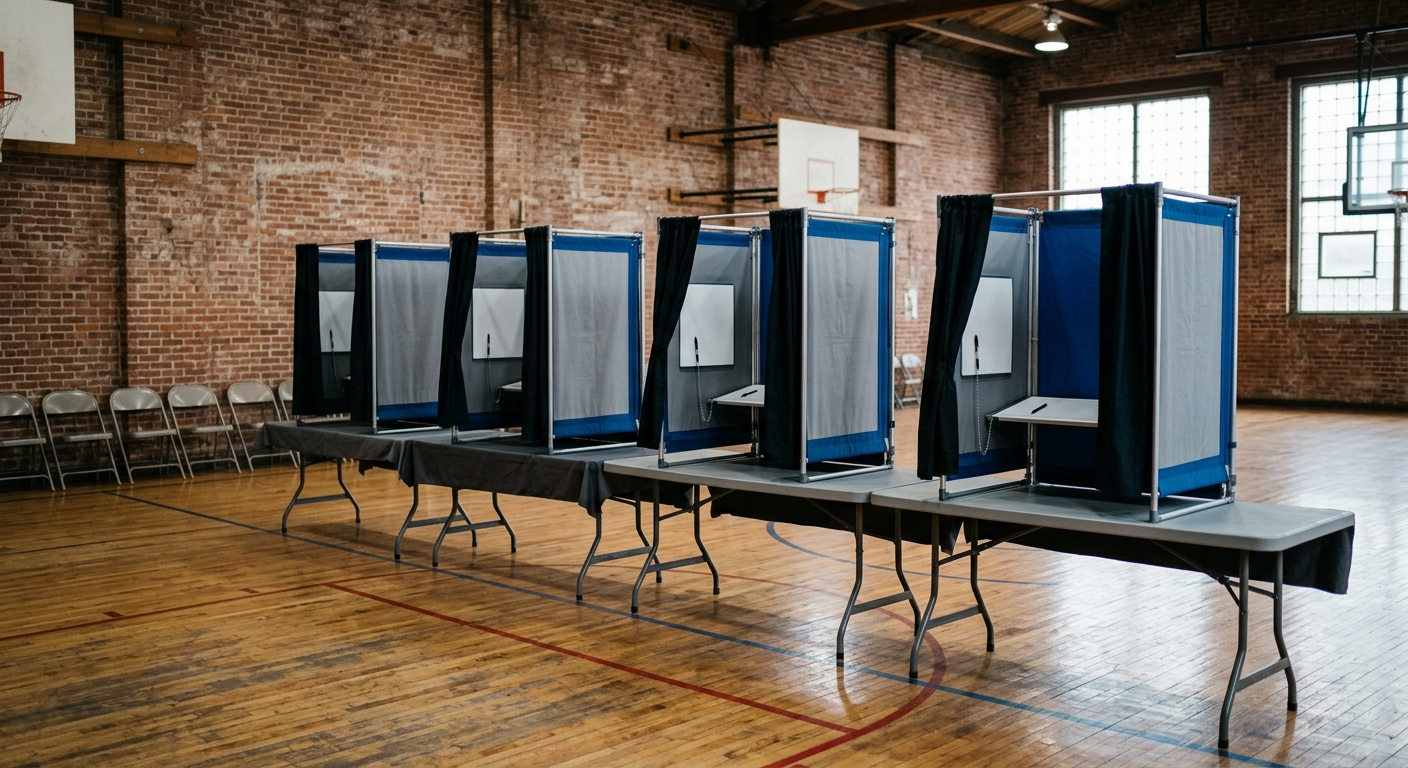
Local advocacy groups and state-level reformers have long pushed for changes aimed at broadening voter participation. The issue reaches beyond individual towns or cities—Tennessee as a region is repeatedly confronted by questions surrounding fair access to the polls. Key issues such as equitable precinct locations, accessible absentee voting, and straightforward registration processes form the crux of ongoing debates on inclusive tennessee elections.
Looking Ahead: Toward Equal Access for all Voters
The NashVillager Podcast concludes by stressing the continued need for both awareness and actionable reform to ensure all citizens enjoy equal voting rights. As regional stakeholders consider reforms, the lessons of the past—and the nuanced understanding of poll taxes—provide a framework for creating a more representative and inclusive democracy in Tennessee. Solutions aimed at eliminating both structural and hidden barriers are deemed key to achieving fair and accessible elections throughout the state.