- calendar_today August 1, 2026
NASHVILLE, Tenn. — The ongoing debate over the tennessee gas tax remains in the spotlight across Tennessee, as escalating project costs and lagging completion rates challenge both lawmakers and local communities.
IMPROVE Act: Major Ambition, Mixed Results
The 2017 passage of the IMPROVE Act marked a significant turning point in the state’s approach to transportation funding. The legislation, aimed at modernizing Tennessee’s infrastructure, raised the state gas tax by six cents over three years and increased diesel taxes, vehicle registration fees, and introduced new charges for electric vehicles. These tax hikes were offset by reductions in other areas, designed to temper the impact on Tennessee residents and businesses.
Support and Criticism Surrounding John Rose
Among the act’s early supporters was U.S. Representative John Rose, who at the time backed the efforts to secure sustainable revenue for the state’s vast network of road projects. However, his endorsement of the gas tax increase drew criticism as the scope of the fiscal challenge and public sentiment evolved. As residents in Tennessee felt the effects of higher at-the-pump costs, public opposition intensified, turning infrastructure funding into a central political issue for the state legislature.
Project Completion Rates Lagging Behind
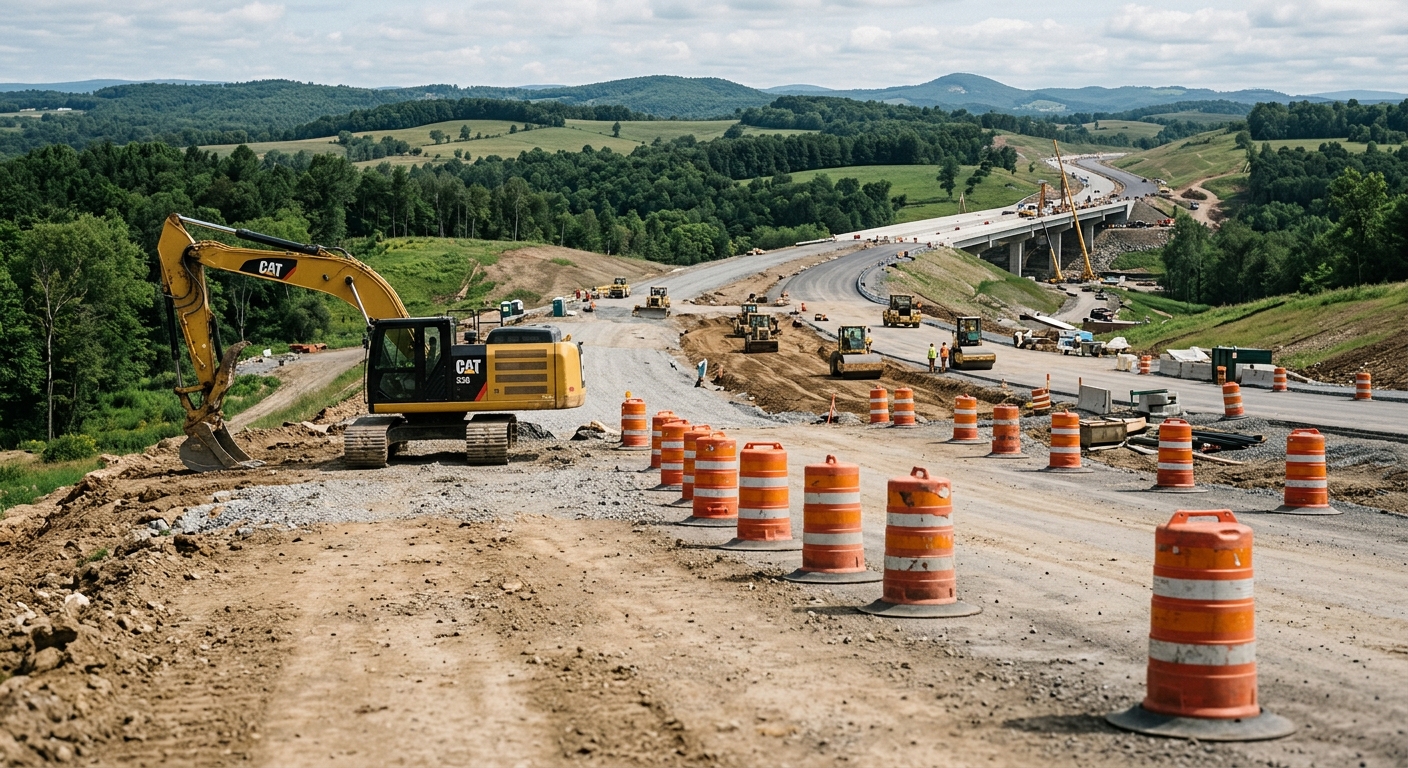
The IMPROVE Act set out to fund 962 much-needed road and bridge projects across the region. As of 2025, only 43 percent had been completed, with 22 percent not yet started — reflecting slower-than-projected progress. Construction delays have disrupted transportation across multiple communities, underscoring the state’s continuing infrastructure gap and the challenge of keeping pace with growth and demand.
Inflation Impact and Rising Costs
While initial cost projections for the projects hovered around $11 billion, mounting expenses and the inflation impact have driven current estimates above $18 billion. The mounting gap between available funding and actual construction costs has prompted repeated interventions from the General Assembly, funneling additional billions from Tennessee’s General Fund to keep projects on track. This ongoing need for legislative support highlights the limitations of the initial transportation funding approach.
State Legislature Adjusts Funding Strategy
With the original tax revenues unable to cover ballooning bills, the state legislature has faced the tough task of prioritizing unfinished projects and reassessing funding formulas. The sustained reliance on emergency allocations points to a broader conversation about how Tennessee finances its future mobility needs, and the role of measures like the gas tax within that framework.
Community Perspective and Accountability
Across Tennessee, local leaders and commuters are monitoring the progress of promised improvements, especially as project completion rates fall short of initial expectations. The lack of recent statements from John Rose regarding his current position on further tax hikes has fueled questions about long-term solutions. Stakeholders are calling for greater transparency and clearer timelines to ensure investments ultimately result in tangible benefits for residents and businesses statewide.
Looking Ahead: Funding Tennessee’s Infrastructure
As public debate about the tennessee gas tax and the broader IMPROVE Act endures, legislators, community leaders, and advocacy groups grapple with finding a sustainable path forward. The experience underlines the complexity of matching infrastructure ambitions with fiscal realities in Tennessee. Future proposals will likely need to address the persistent challenges of inflation, public trust, and effective project management to ensure Tennessee’s transportation system supports the region’s growth and economic vitality.