- calendar_today April 14, 2026
School Integration in Tennessee: A Continuing Journey
In Tennessee, the ongoing complexities surrounding school integration remain a focal point within the education landscape. Despite progress after the civil rights era, recent discussions have emphasized that achieving true racial integration in Nashville schools continues to demand sustained commitment and vigilance from the community. Regional educators, families, and policymakers recognize that creating equitable educational opportunities is an ongoing process—one that requires both historical awareness and modern activism.
Examining Regression in Nashville Schools
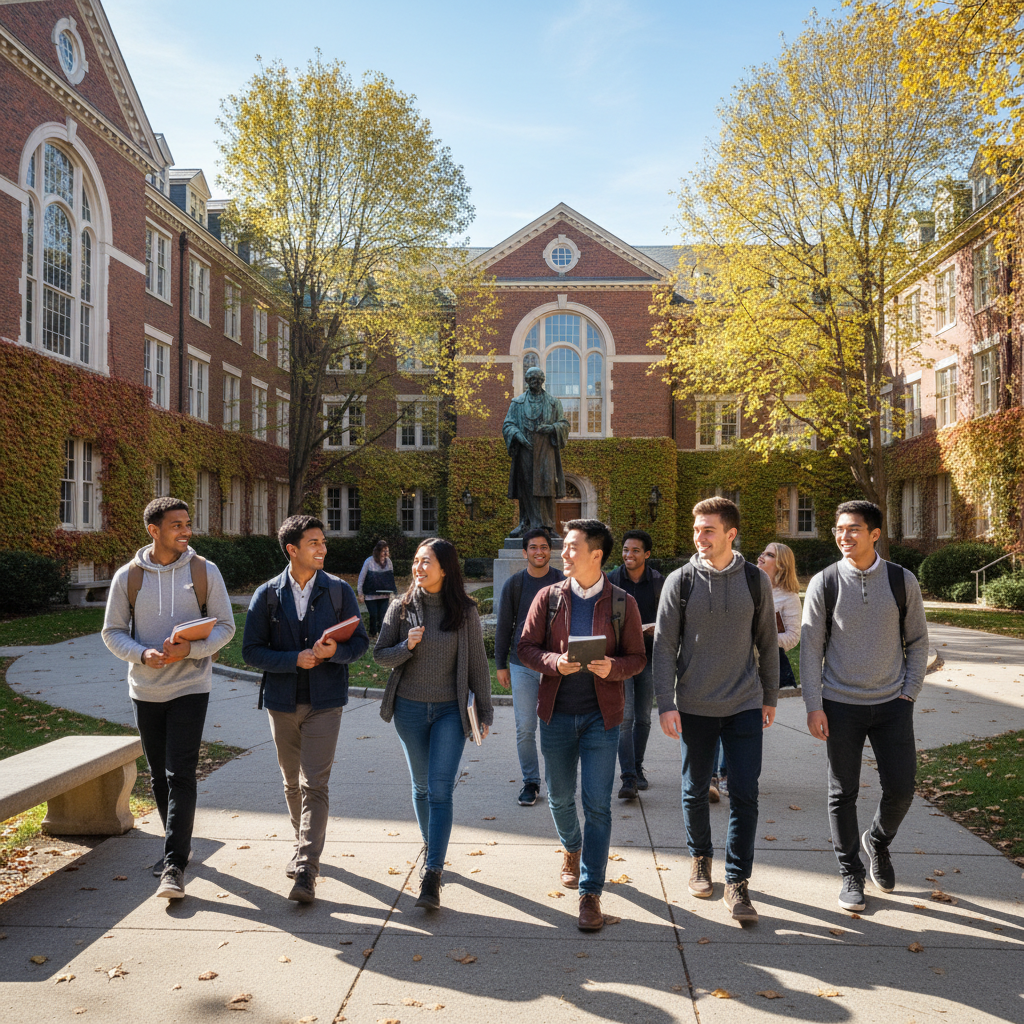
Nashville’s public education system, once at the forefront of integration efforts, now faces renewed scrutiny amid concerns of reemerging racial separation. Neighborhood demographics and school zoning debates have led some analysts to question whether the achievements of the past are at risk. Experts argue that the responsibility of ensuring integration does not end with legislation; it is an enduring task that shapes how students in Tennessee experience their formative years.
The Civil Rights Legacy in Tennessee Education
The legacy of the civil rights movement remains woven into the narrative of Tennessee’s educational system. Decades ago, prominent legal victories laid the groundwork for integrated classrooms, but community leaders now warn that progress can be fragile. Those involved in education stress that commemorating civil rights achievements must go hand in hand with practical policies supporting educational equity for all students in the region. The debate draws attention to how local communities must continue to build on the foundation established by earlier generations.
Community Responses and Integration Efforts
Efforts to address these challenges are ongoing throughout Tennessee, particularly in Nashville. Grassroots organizations, parent groups, and local officials have launched integration efforts designed to foster inclusive school environments. These stakeholders underscore the importance of regular assessment and open dialogue, and call upon state and local governments to prioritize diversity across all levels of public education.
The Role of Media in Highlighting Community Issues
Media platforms such as the NashVillager podcast, produced by public radio outlet Nashville Public Radio and hosted by Nina Cardona, have been central in raising awareness of these community issues. Recent episodes examine how Nashville schools may be slipping into concerning patterns reminiscent of an earlier era, and encourage ongoing community engagement. The podcast not only covers school topics but also provides local news updates and health reporting, broadening its relevance and reach across Tennessee.
Broadening Perspectives: The NashVillager Podcast’s Community Focus
In addition to school integration, the podcast spotlights a variety of local stories, such as health topics like the Health Care Hollow project’s coverage of sepsis, further connecting residents with vital information. This multi-topic approach enables listeners to stay informed about a range of pressing concerns, solidifying the NashVillager as a valuable source for both news and analysis.
Pathways Forward For Equitable Education
The ongoing discussion about school integration in Tennessee, and particularly in Nashville schools, is more than a historical reflection—it is a call to action for the future. As the region balances its civil rights legacy with current realities, continued engagement from families, educators, and policymakers will be crucial in advancing educational equity. By remaining attentive to these issues, Tennessee communities can help secure an inclusive educational environment for the next generation.